2020, 07.23 - 19h
/ Imagens de pensamento: Stefania Fantauzzi, curadoria de / curated by Susana Camanho e Emídio Agra - [Casa das Artes]
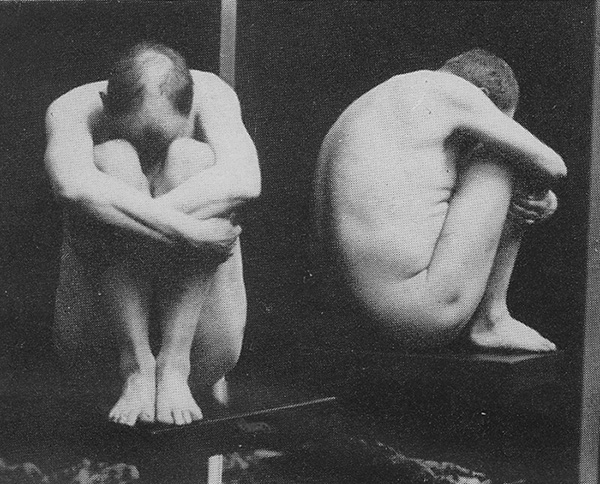
![Imagens de pensamento: Stefania Fantauzzi, curadoria de / curated by Susana Camanho e Emídio Agra - [Casa das Artes]<br>](../../content/5.talks/99.Imagens-de-pensamento-stefania-fantauzzi/_aimages/El_Viento_Del_Pensamiento10.jpg)
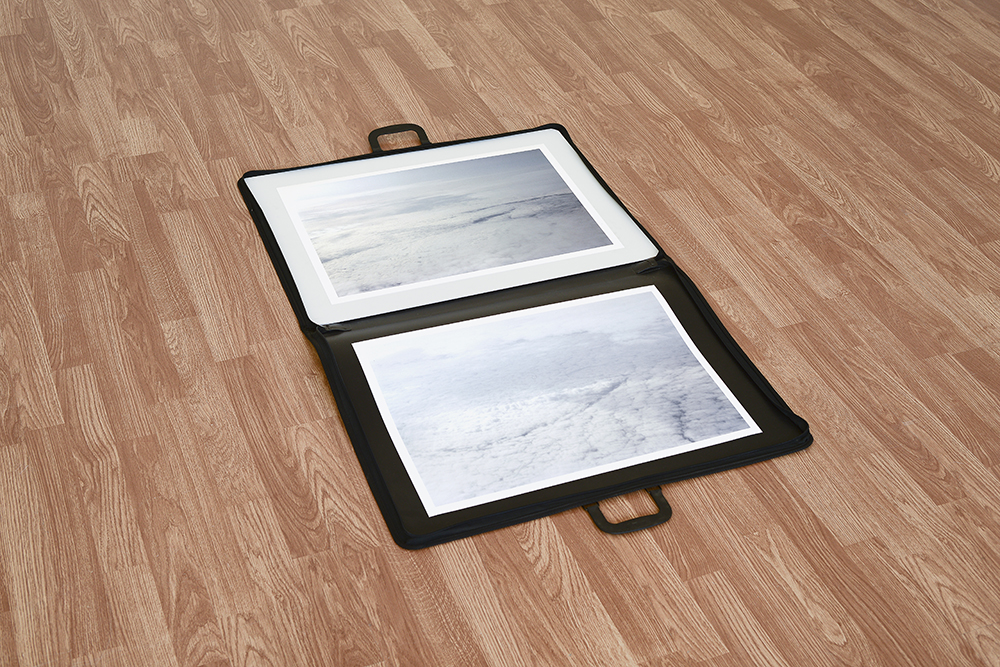
![Imagens de pensamento: Stefania Fantauzzi, curadoria de / curated by Susana Camanho e Emídio Agra - [Casa das Artes]<br>](../../content/5.talks/99.Imagens-de-pensamento-stefania-fantauzzi/_aimages/El_Viento_Del_Pensamiento2.jpg)
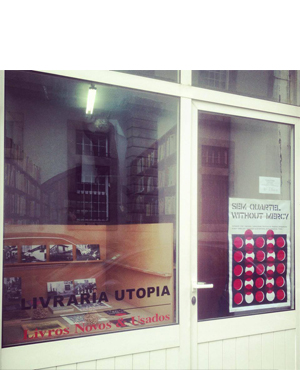
![Imagens de pensamento: Stefania Fantauzzi, curadoria de / curated by Susana Camanho e Emídio Agra - [Casa das Artes]<br>](../../content/5.talks/99.Imagens-de-pensamento-stefania-fantauzzi/_aimages/El_Viento_Del_Pensamiento3.jpg)
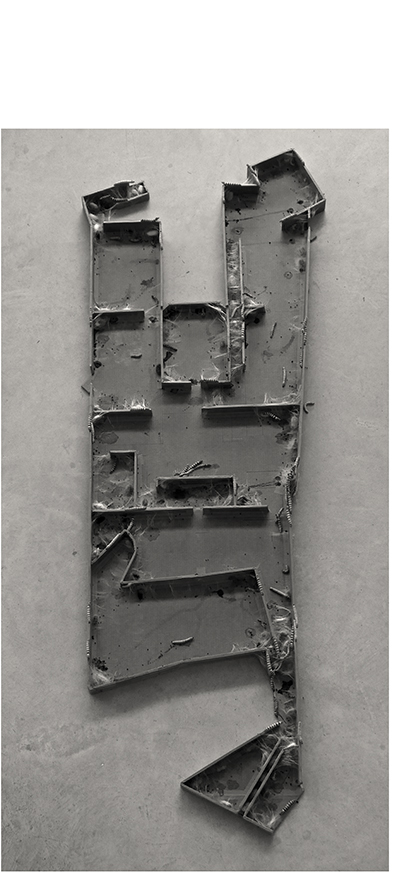
![Imagens de pensamento: Stefania Fantauzzi, curadoria de / curated by Susana Camanho e Emídio Agra - [Casa das Artes]<br>](../../content/5.talks/99.Imagens-de-pensamento-stefania-fantauzzi/_aimages/El_Viento_Del_Pensamiento9.jpg)
![Imagens de pensamento: Stefania Fantauzzi, curadoria de / curated by Susana Camanho e Emídio Agra - [Casa das Artes]<br>](../../content/5.talks/99.Imagens-de-pensamento-stefania-fantauzzi/_aimages/imagensdepensamento.png)
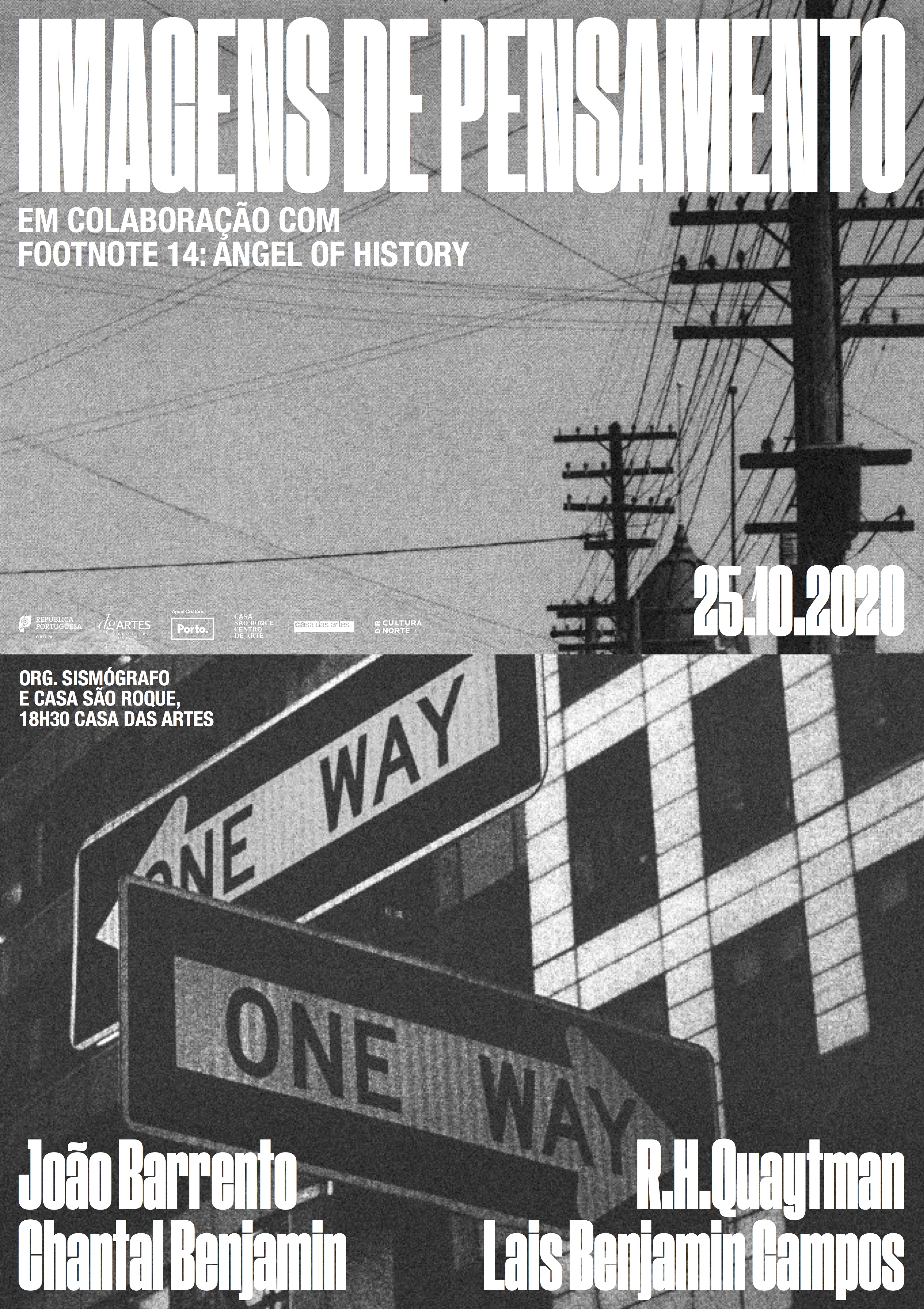
Sessão inaugural do ciclo "Imagens de Pensamento"
com “El viento del pensamiento...”, por Stefania Fantauzzi
Curadoria de Susana Camanho e Emídio Agra
Quinta-feira, 23 Julho - 19h
Jardim da Casa das Artes
Rua Ruben A 210, 4150-639 Porto
Apoios: Direção Geral das Artes, Criatório & Casa das Artes/DRCN
“Imagens de pensamento” dá título a este ciclo de conferências que abre um espaço na programação do Sismógrafo para pensar as imagens e através das imagens. Pretende-se com estas conferências unir o discursivo e a imagem, confrontá-los, reconhecer o potencial de uma imagem, de um fragmento, resgatando experiências vitais ameaçadas num presente incerto. Estes tempos da “pós-verdade” e dos “factos alternativos”, turbulentos e inquietantes, tempos de pandemias, de crises ecológicas, financeiras, políticas e sociais, são “tempos interessantes”, para usar a expressão popularizada por Eric Hobsbawm. Tempos interessantes especialmente para o pensamento. Pensar é já contribuir para uma mudança. Este ciclo reivindica uma cooperação entre a força expressiva da arte e a precisão da filosofia. Sem uma linguagem que as acolha, as imagens podem cegar-nos ou nada dizer. Com estas conferências, o Sismógrafo procura cuidar o que Alexander Kluge chama um “jardim de cooperação”, um lugar que preserva os momentos em que a palavra e a imagem convergem de forma a produzirem algo novo, um espaço para a discrepância e a cooperação face às cacofonias da informação, face à manipulação industrial e escravização dos sentimentos. Em tempos difíceis, de cisões e segregações, a cooperação apresenta-se como um antídoto do tribalismo (Richard Sennett). Para abrir na cidade este jardim, este espaço de debate e polifonia, o Sismógrafo convidou oradores ligados à filosofia, à estética, à crítica de arte, às artes plásticas e ao cinema que, em diferentes momentos e desde diferentes perspectivas, procurarão apresentar um diagnóstico do presente.
O vento do pensamento...
de Stefania Fantauzzi
Na reflexão de Hannah Arendt podemos encontrar um fio condutor: a procura constante dum lugar onde e a partir de onde pensar, acompanhada da consciência de que a totalidade da experiência só se realiza quando desde este lugar nos dirigimos aos outros, quando desde a própria e imprescindível individualidade nos dirigimos a um espaço comum no qual se tecem relações, se recuperam vínculos, se descobrem novas afinidades. Trata-se, assim, duma procura voltada ao mesmo tempo para o indivíduo e para o mundo, acompanhada pela determinação de narrar experiências e exercícios de pensamento que se contrapõem à submissão do indivíduo ao curso da história e às ideias dirigidas apenas à elaboração sistemática.
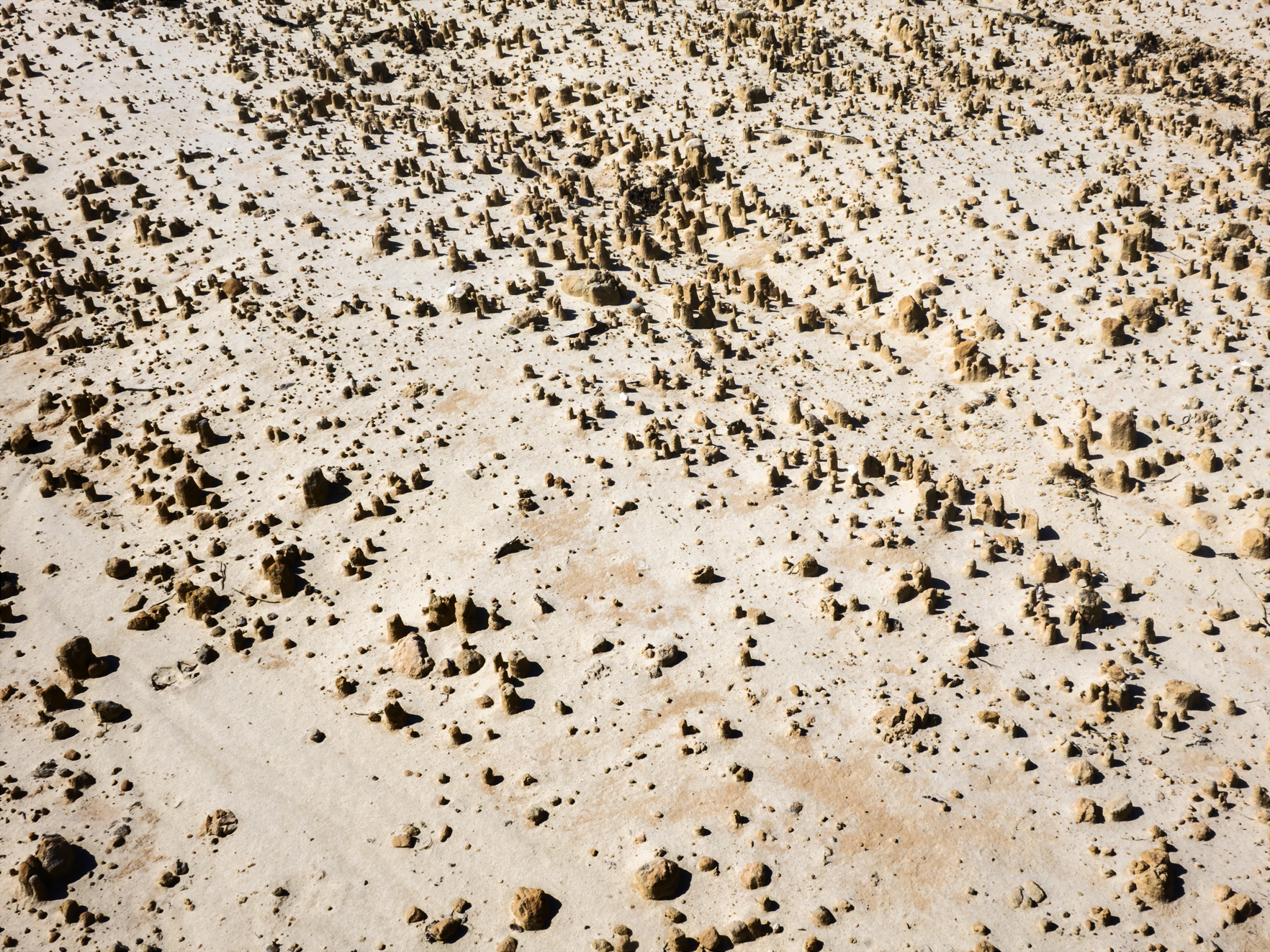
A minha intervenção tem como objectivo explicar a modalidade desta procura, tentando responder à famosa pergunta formulada por Arendt em The Life of the Mind: Onde estamos quando pensamos? Por um lado, veremos o papel das imagens do pensamento e da linguagem poética e, por outro, teremos em conta a importância destas mesmas imagens na experiência de Arendt. Assim, veremos como estas imagens permitem a abertura ao mundo e à pergunta “onde estamos quando pensamos” podemos responder: estamos no mundo, sentados à volta de uma mesa, a pensar sem corrimão fora dos oásis que nos defendem dos desertos dos nossos tempos, encarando as tempestades de areia, a fragilidade e vulnerabilidade da condição humana.
Stefania Fantauzzi é filósofa e investigadora do seminário “Filosofía y Género” da Universidade de Barcelona desde 2002 e do grupo “GAPP- Grupo Arendtiano de Pensamiento y Política”, desde a sua fundação. É licenciada em Filosofia pela Universidade de Bolonha e doutorada em Filosofia pela Universidade de Barcelona. Após terminar o doutoramento, fez investigação no Hannah Arendt Zentrum em Oldenburg, aprofundando o seu conhecimento sobre o papel da violência no pensamento de Arendt, autora à qual se tem dedicado e sobre a qual tem vindo a publicar artigos e ensaios, destacando-se: “Pensar el mundo y actuar en el mundo. Del mal radical a la banalidade del mal en el pensamiento de Hannah Arendt”, “La relación entre guerra y política en Hannah Arendt”, “Sobre la guerra y la violencia en el discurso femenino”, "Taking Responsibility for the World: Politics, the Impolitical, and Violence in Hannah Arendt", "The Transmission of the Revolutionary Spirit: Reflections on Civil Disobedience in Hannah Arendt" e "Violencia y revolución en la filosofía de Hannah Arendt. Reflexiones críticas”. É editora do volume Participar del món (Editora Lleonard Muntaner, 2020), que apresenta os escritos de Arendt publicados na revista Aufbau nos anos 30 e 40 do séc. XX. Conjuga a sua investigação com a tradução, traduzindo, entre outras, as obras Come fare cose com i ricordi (2009) e I brutti scherzi del passato (2010), ambas de Manuel Cruz.
Opening session of the cycle “Thought-Images”
with "The winds of thought...", by Stefania Fantauzzi
Curated by Susana Camanho and Emídio Agra
Thursday, 23 July - 19h
Garden of Casa das Artes
Rua Ruben A 210, 4150-639 Porto
Apoios: Direção Geral das Artes, Criatório & Casa das Artes/DRCN
“Thought-images” gives the title to this cycle of conferences opening a space in Sismógrafo’s program to think images and through images. The purpose of these conferences is to unite the discursive and the image, to confront them, to recognize the potential of an image, of a fragment, rescuing vital experiences threatened in an uncertain present. This age, a turbulent and disturbing age, an age of pandemic, ecological, financial, political and social crises, these times of “post-truth” and "alternative facts” are "interesting times", to use the expression popularized by Eric Hobsbawm. Interesting times especially for thinking. Thinking is already contributing to a change. This cycle calls for a cooperation between the expressive strength of art and the precision of philosophy. Without a language that embraces images, images can blind us or say nothing. With these conferences, Sismógrafo seeks to take care of what Alexander Kluge calls a “garden of cooperation”, a place that preserves the moments when word and image converge in order to produce something new, a space for discrepancy and cooperation in the face of cacophonies of information, in the face of industrial manipulation and enslavement of feelings. In difficult times, times of divisions and segregations, cooperation presents itself as an antidote to tribalism (Richard Sennett). To open this garden, this space for debate and polyphony in the city, Sismógrafo has invited speakers linked to philosophy, aesthetics, art criticism, fine arts and cinema who, at different times and from different perspectives, will try to present a diagnosis of the present.
The winds of thought...
by Stefania Fantauzzi
In Hannah Arendt's reflection we can find a guiding thread: the constant search for a place where and from where to think, accompanied by the awareness that the totality of the experience only takes place when we turn from this place towards the others, when from our own and indispensable individuality we move towards a common space in which relationships are built, bonds are recovered, new affinities are discovered. It is, therefore, a search directed at the same time to the individual and the world, accompanied by the determination to narrate experiences and exercises of thought that are opposed to the submission of the individual to the course of history and to ideas only directed to systematic elaboration.
My intervention aims to explain the modality of this search, trying to answer Arendt's famous question in The Life of the Mind: Where are we when we think? On the one hand, we will look at the role of thought-images and poetic language and, on the other, we will consider the importance of these same images in Arendt's experience. This way, we will see how these images allow the opening to the world and to the question “where are we when we think” we can answer: we are in the world, sitting around a table, thinking without a banister outside the oases that defend us from the deserts of our times, facing sandstorms, the fragility and vulnerability of the human condition.
Stefania Fantauzzi is a philosopher and researcher in the “Philosophy and Gender” seminar group at the University of Barcelona since 2002, and a member of the GAPP (Arendtian Group for Thought and Politics) since it was first founded. She has a degree in Philosophy from the University of Bologna and a PhD in Philosophy from the University of Barcelona. After completing her PhD, she carried out research at the Hannah Arendt Zentrum in Oldenburg, where she studied in depth the role of violence in Arendt’s thinking. Her research interest is political theory, with a particular focus on Hannah Arendt’s thinking. She has published several articles and essays on this topic, such as: “Pensar el mundo y actuar en el mundo. Del mal radical a la banalidade del mal en el pensamiento de Hannah Arendt”, “La relación entre guerra y política en Hannah Arendt”, “Sobre la guerra y la violencia en el discurso femenino”, "Taking Responsibility for the World: Politics, the Impolitical, and Violence in Hannah Arendt", "The Transmission of the Revolutionary Spirit: Reflections on Civil Disobedience in Hannah Arendt" and "Violencia y revolución en la filosofía de Hannah Arendt. Reflexiones críticas”. She is the editor of the volumen Participar del món (Editora Lleonard Muntaner, 2020), which presents Arendt's writings published in the journal Aufbau magazine in the 1930s and 1940s. She combines her research with translation work; she has translated Come fare cose con i ricordi (2009) and I brutti scherzi del passato (2010), both by Manuel Cruz, among others.