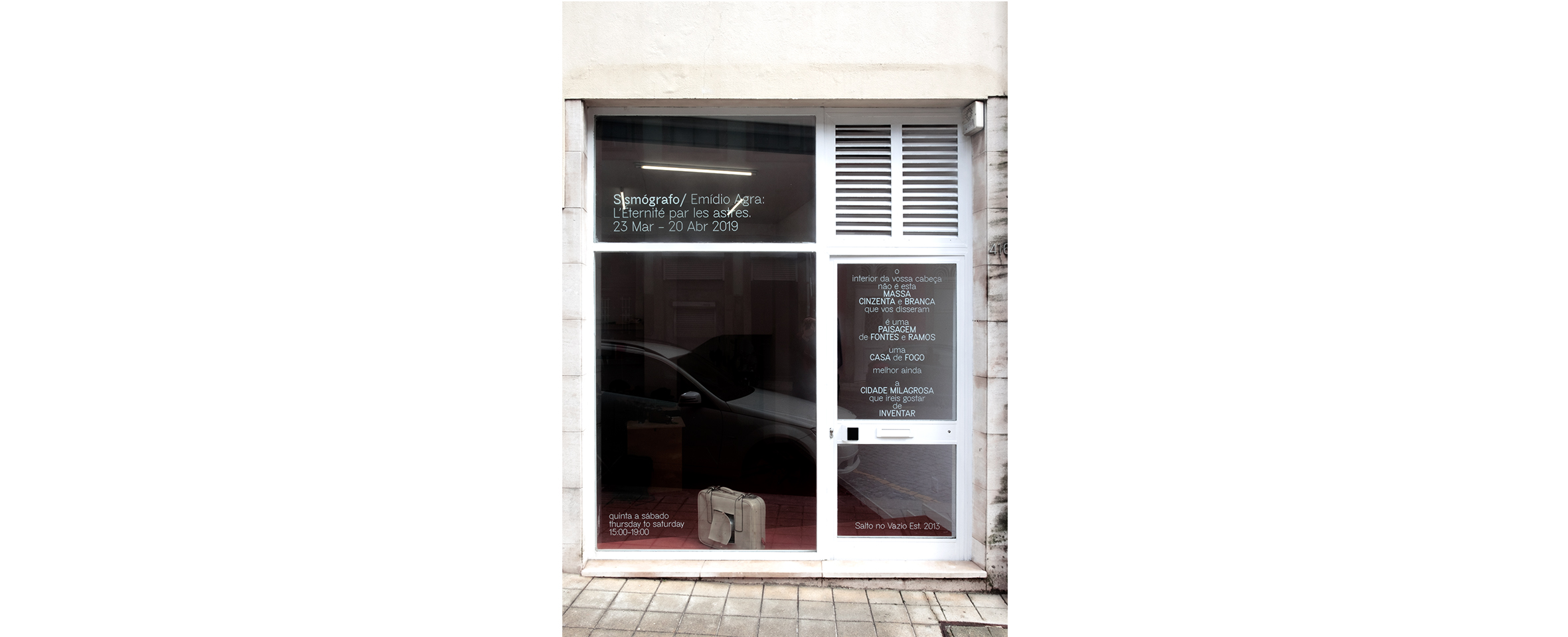
2019, 03.23 - 2019, 04.20
/ Emídio Agra: L'Éternité par les astres
Curadoria de/Curated by Óscar Faria









"L'Éternité par les astres"
Exposição individual de Emídio Agra
Curadoria de Óscar Faria
Sábado, 23 de Março 2019
16h - 19h30
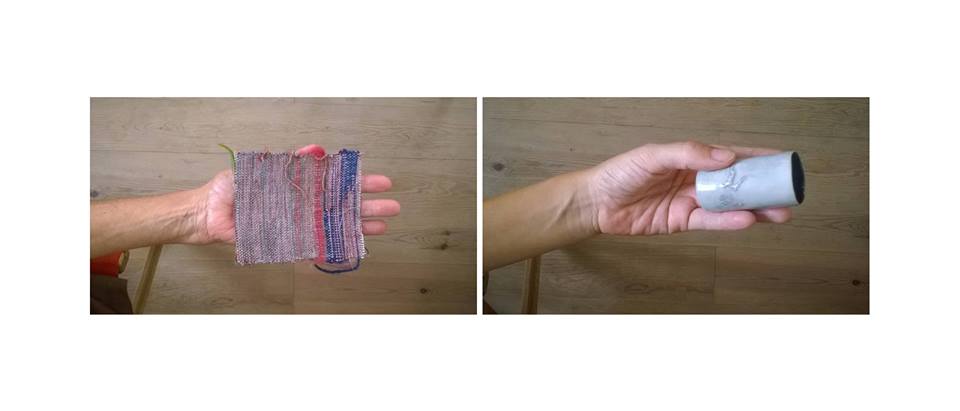
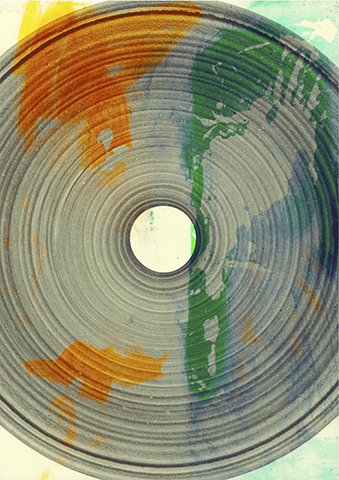
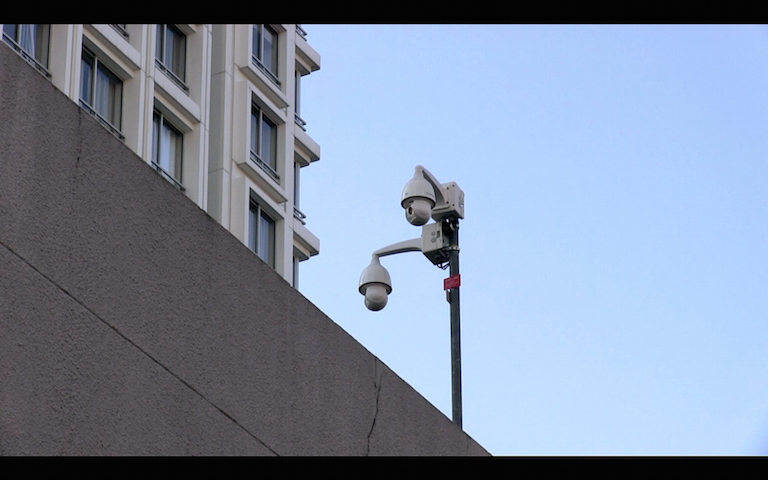
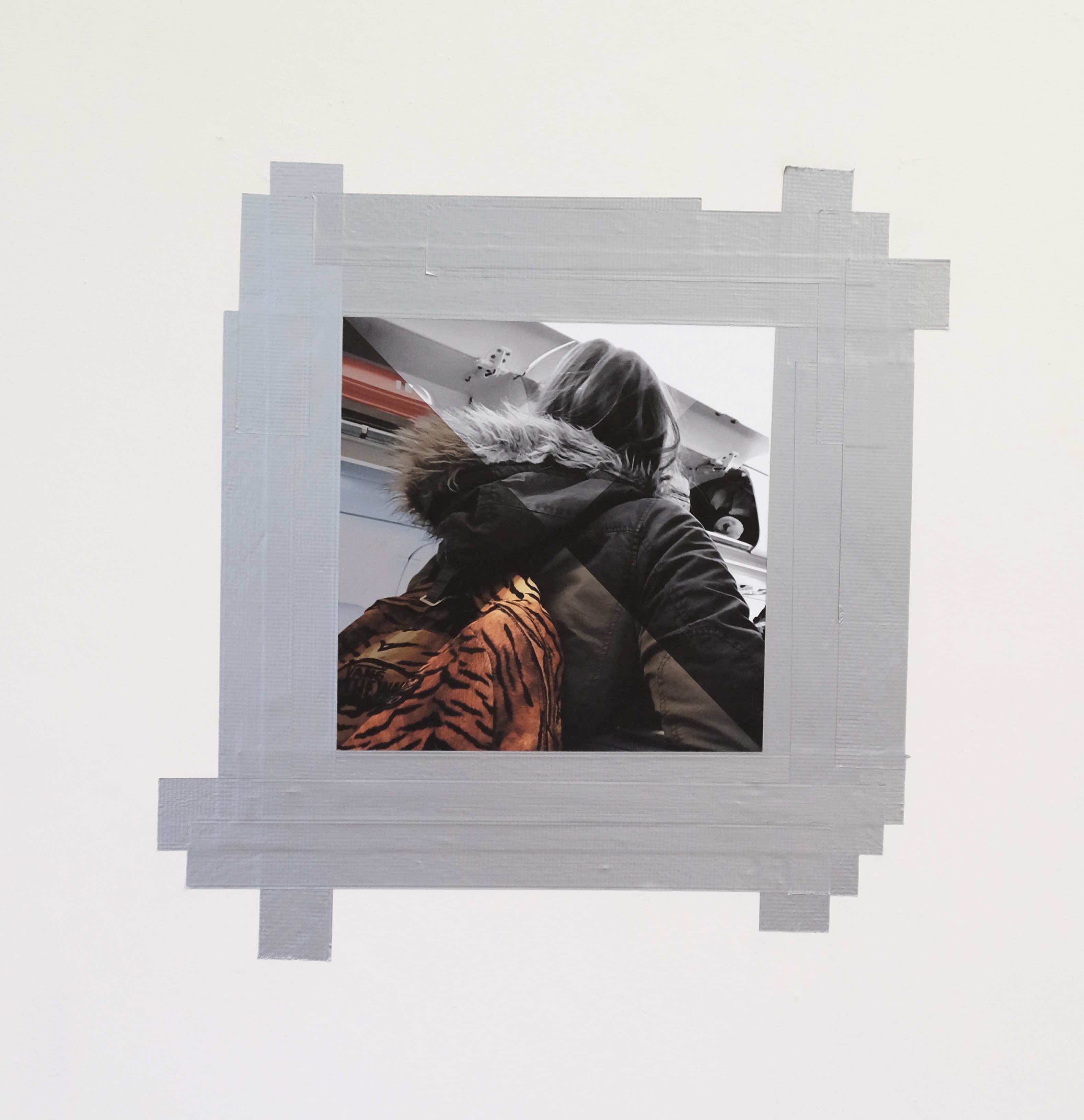
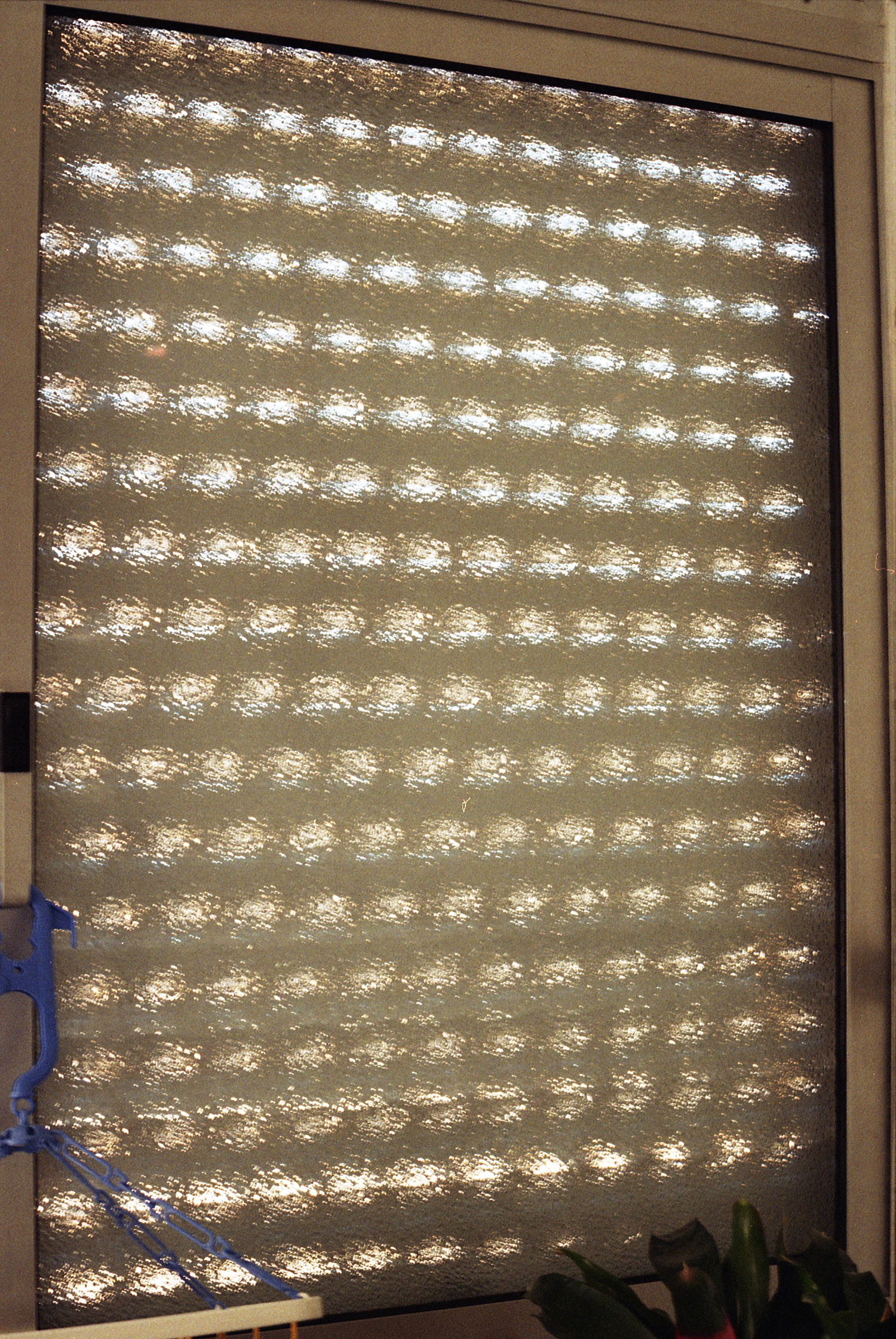
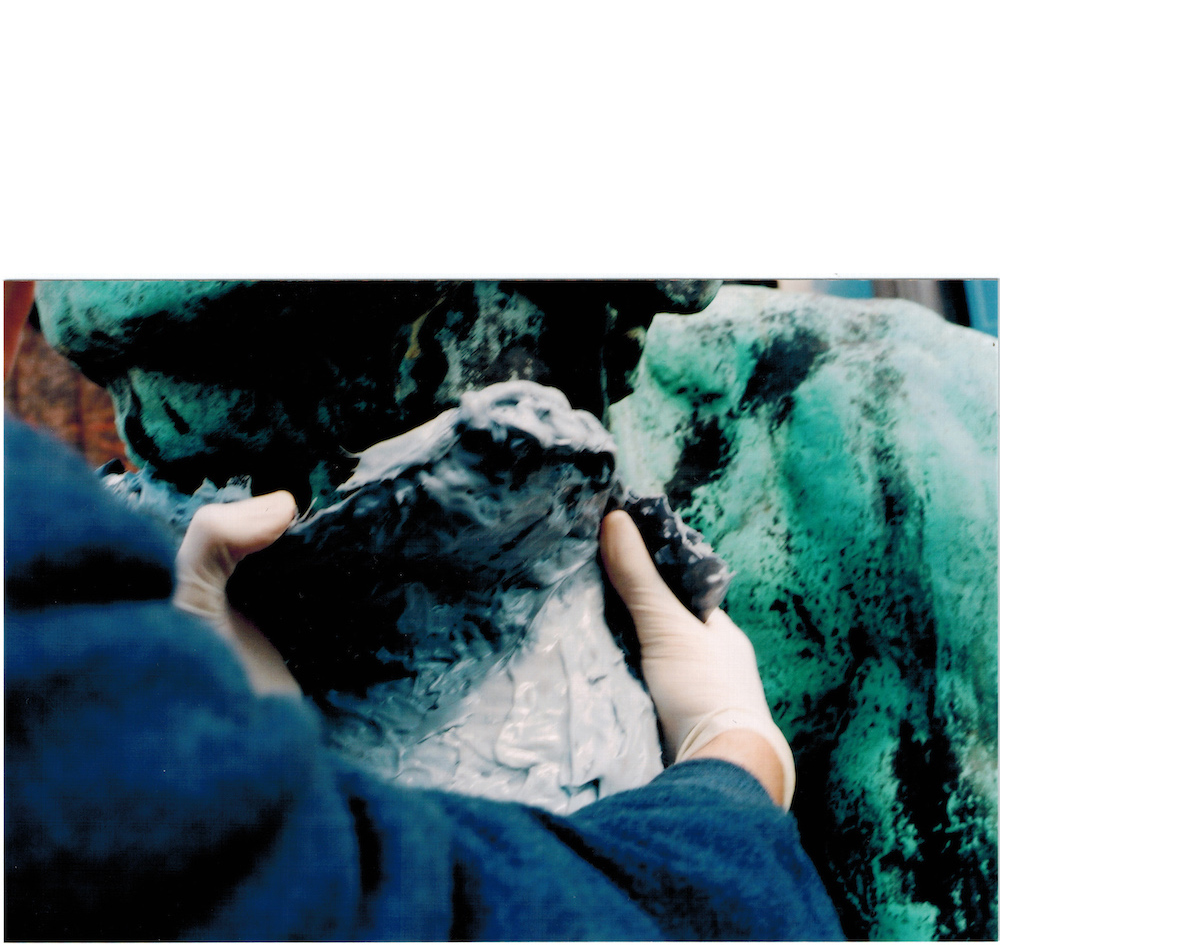
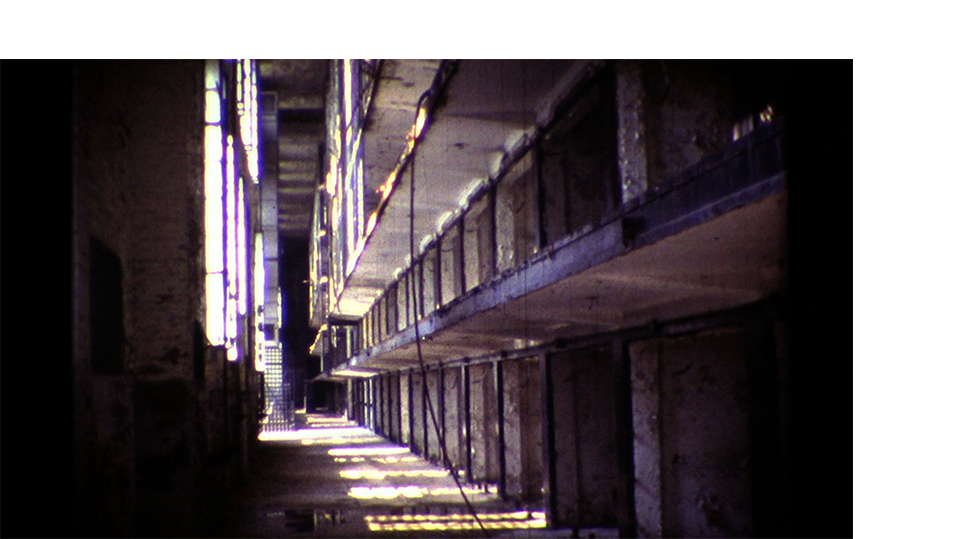
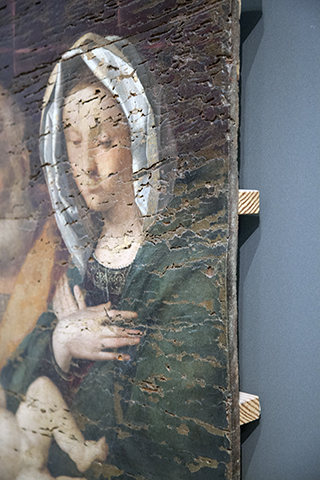
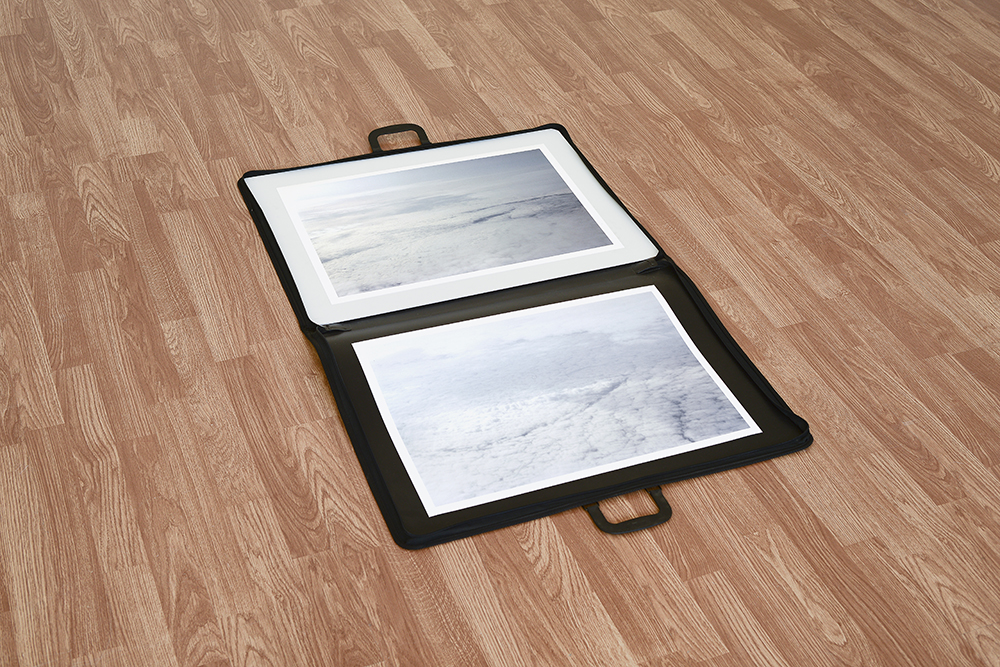
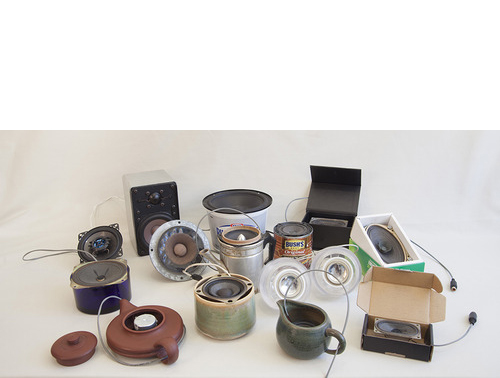
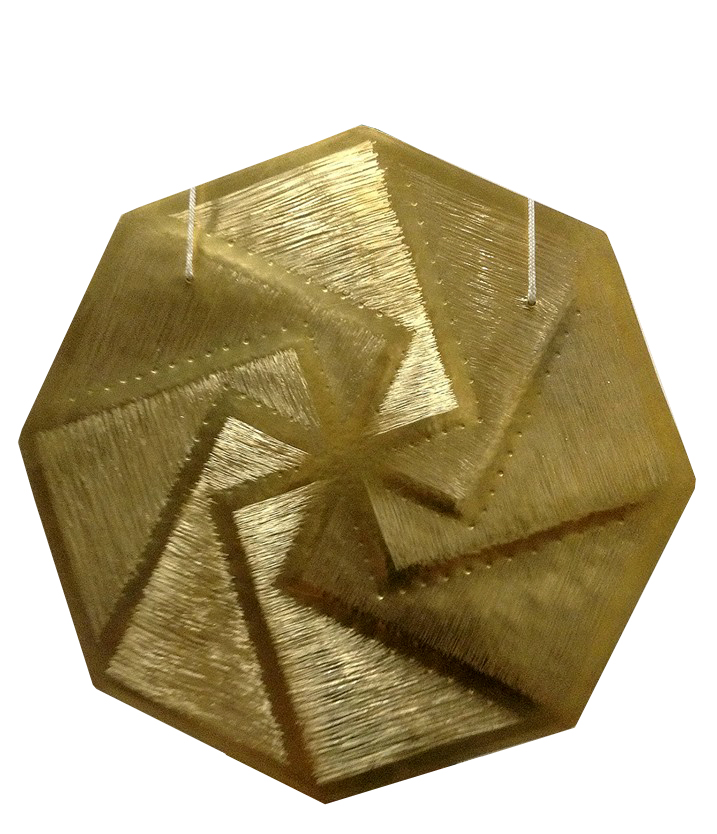
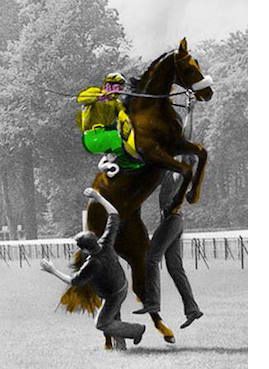
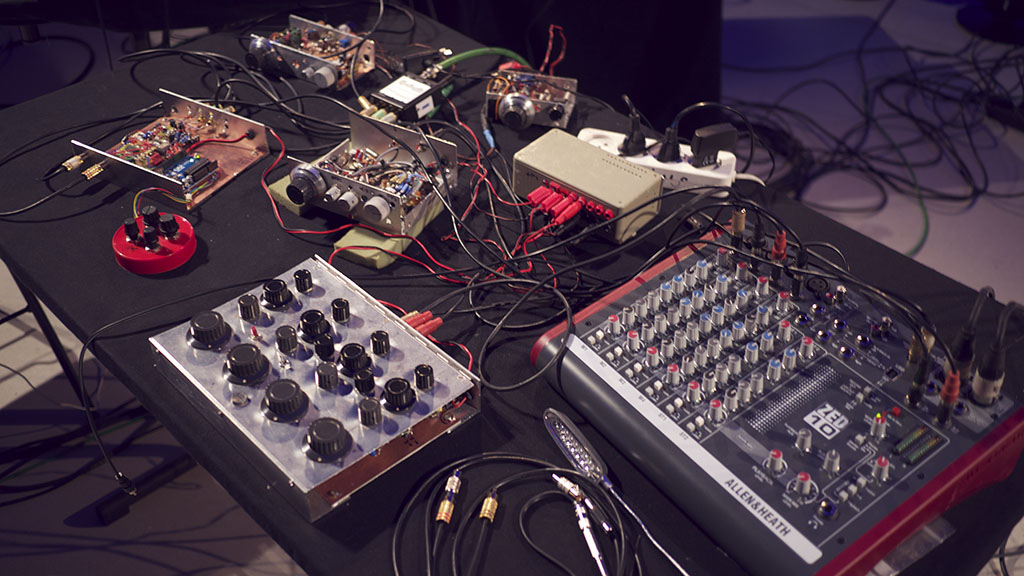
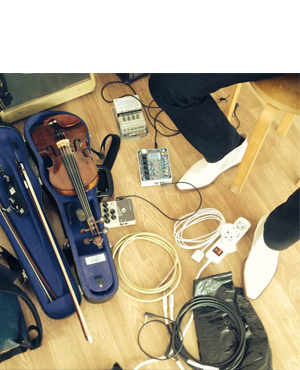
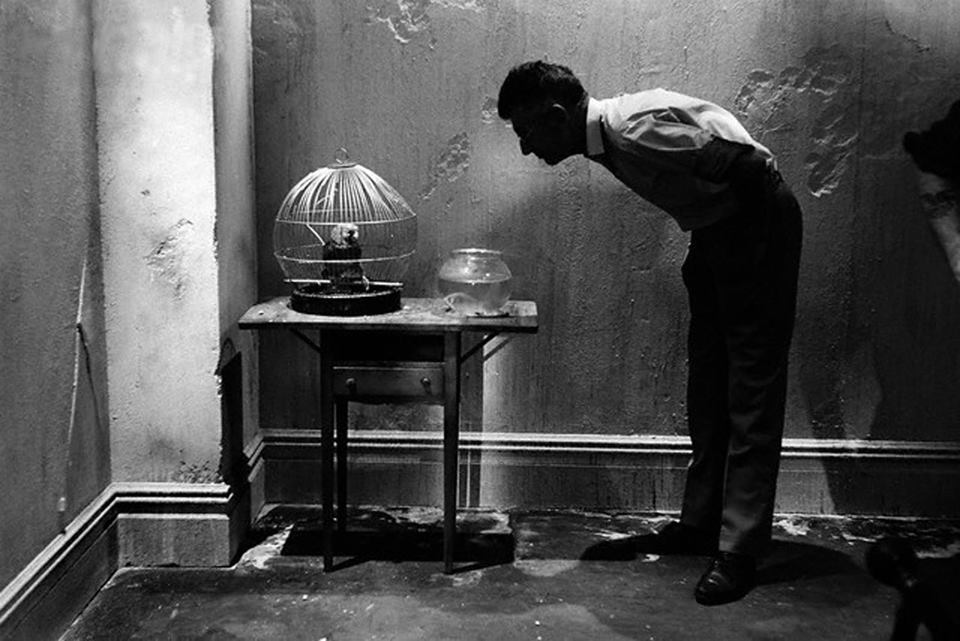
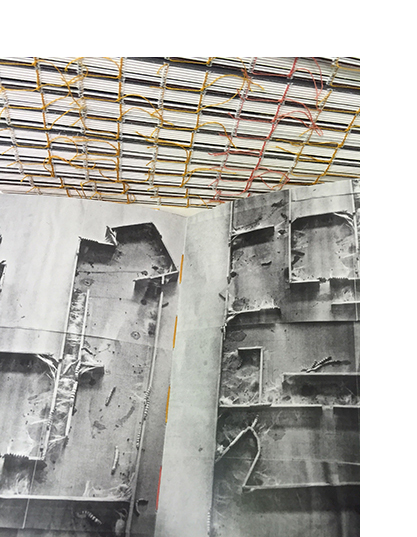
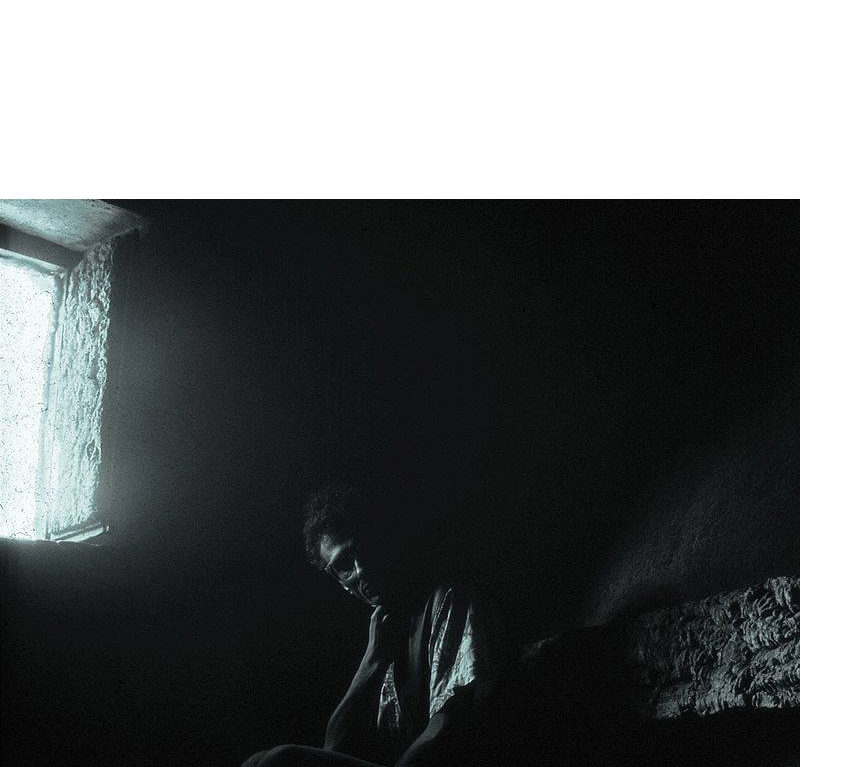
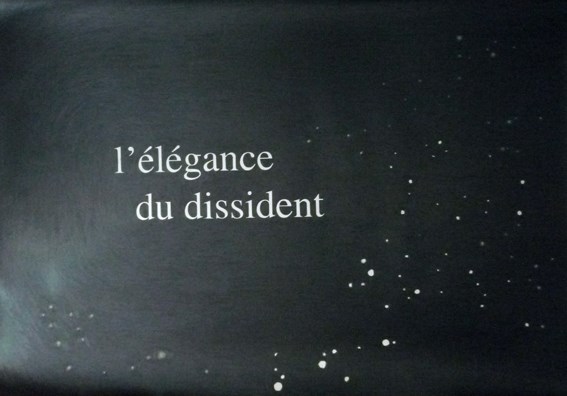
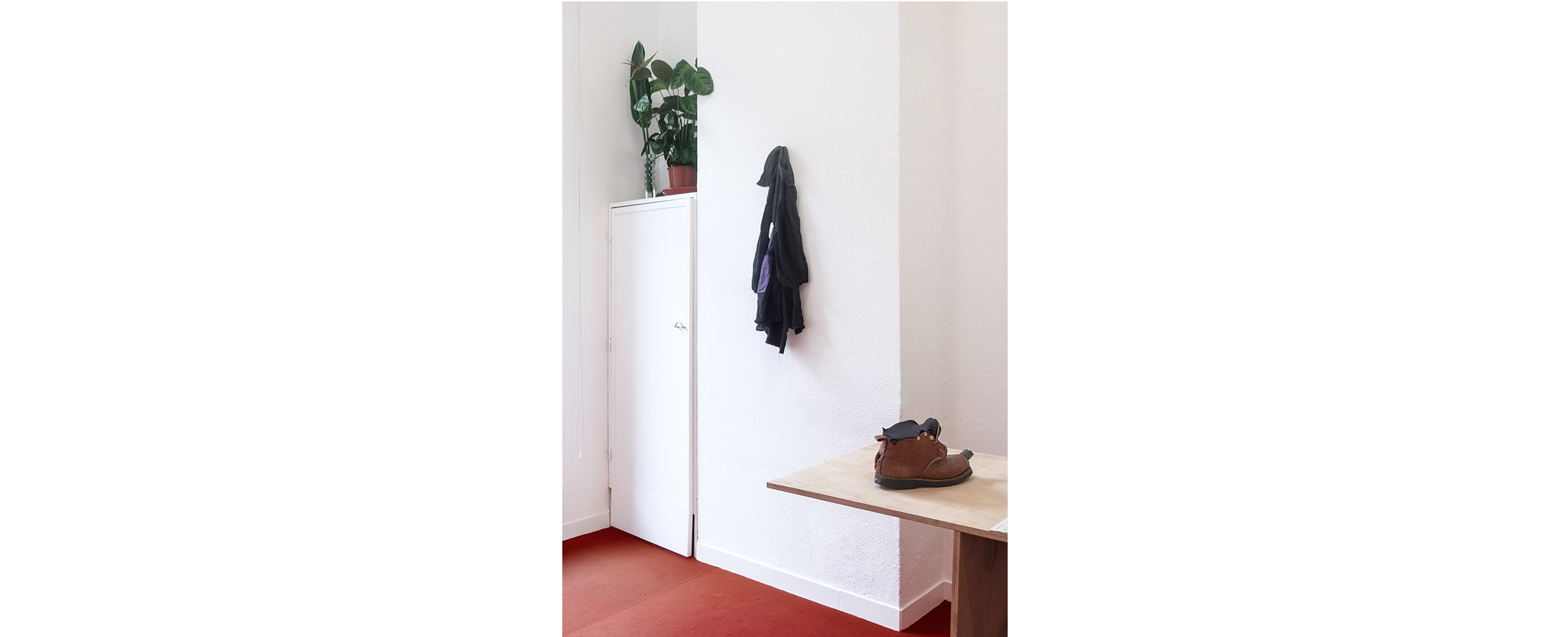
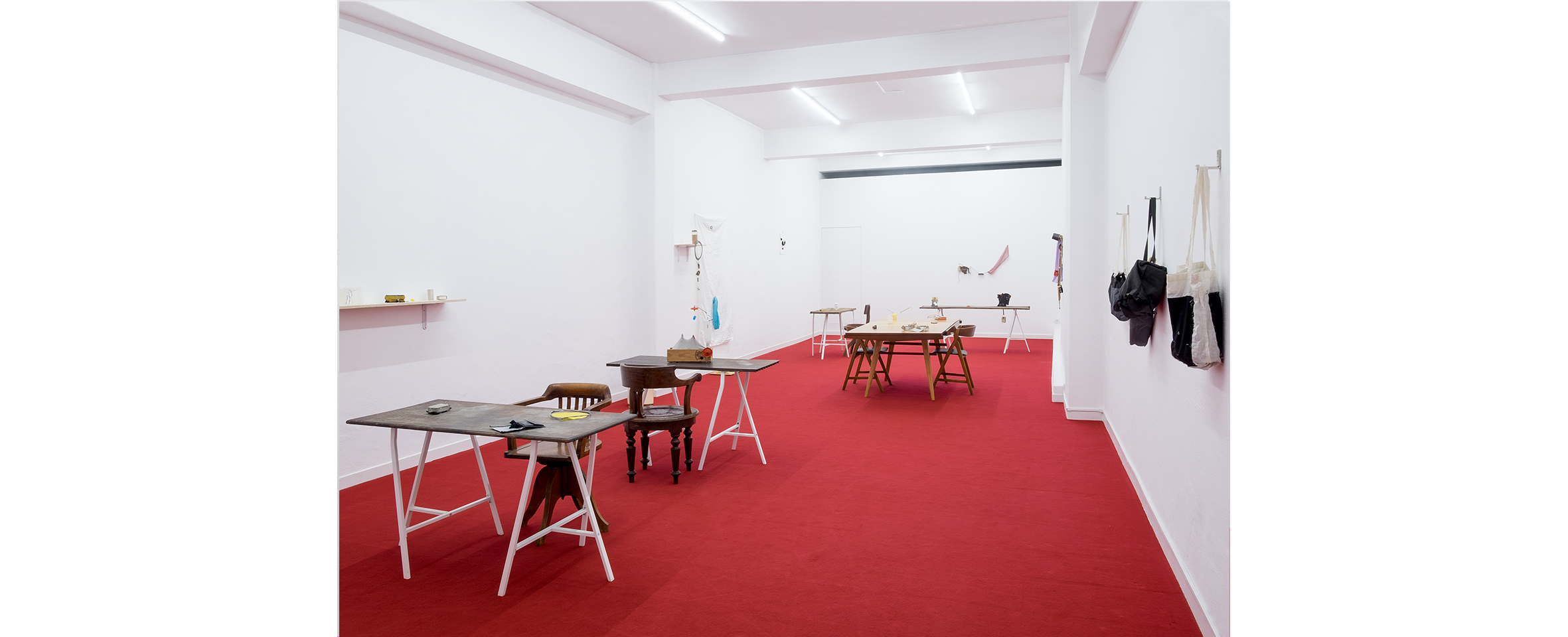
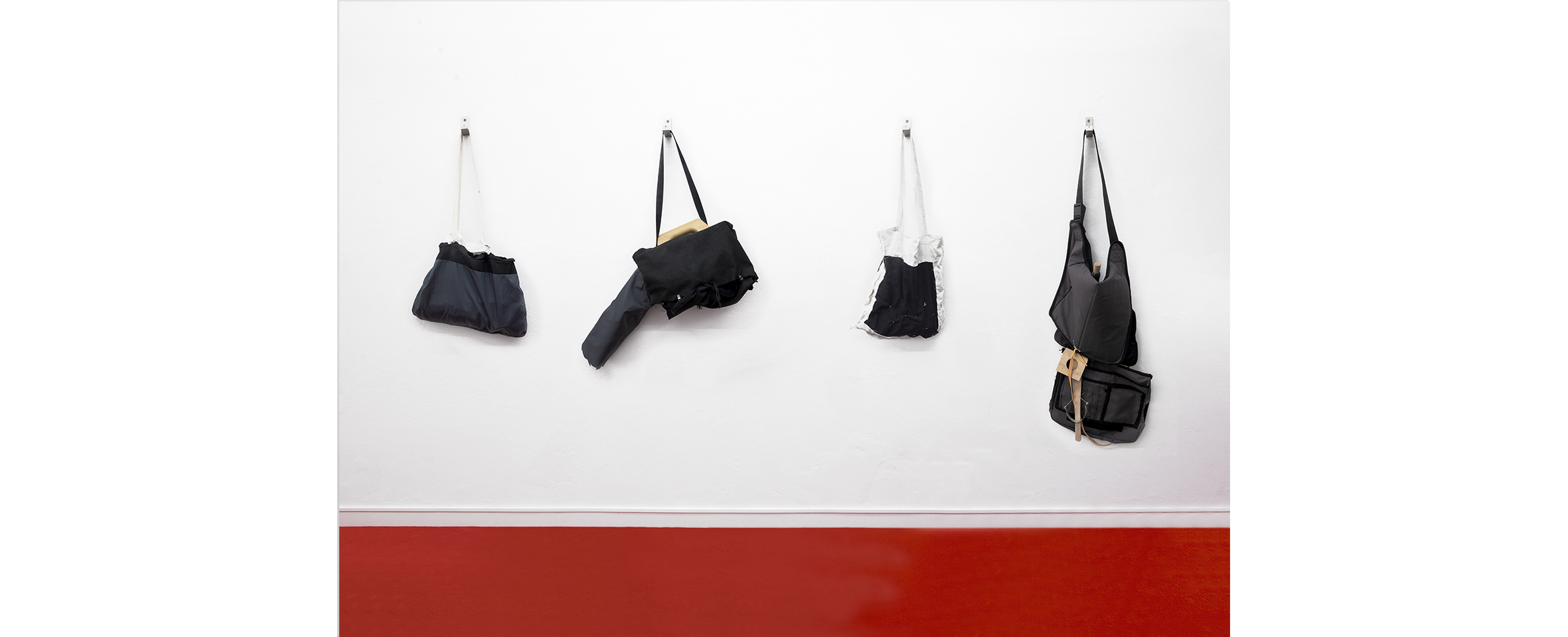
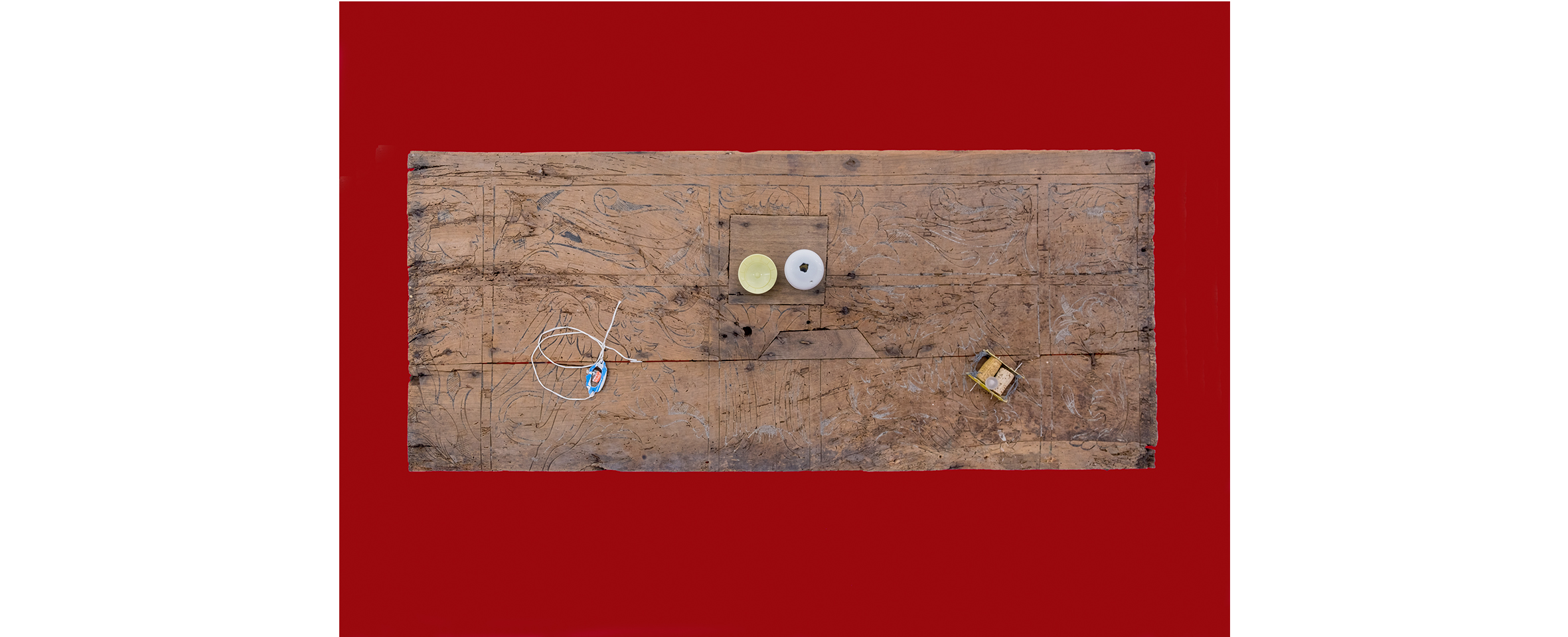
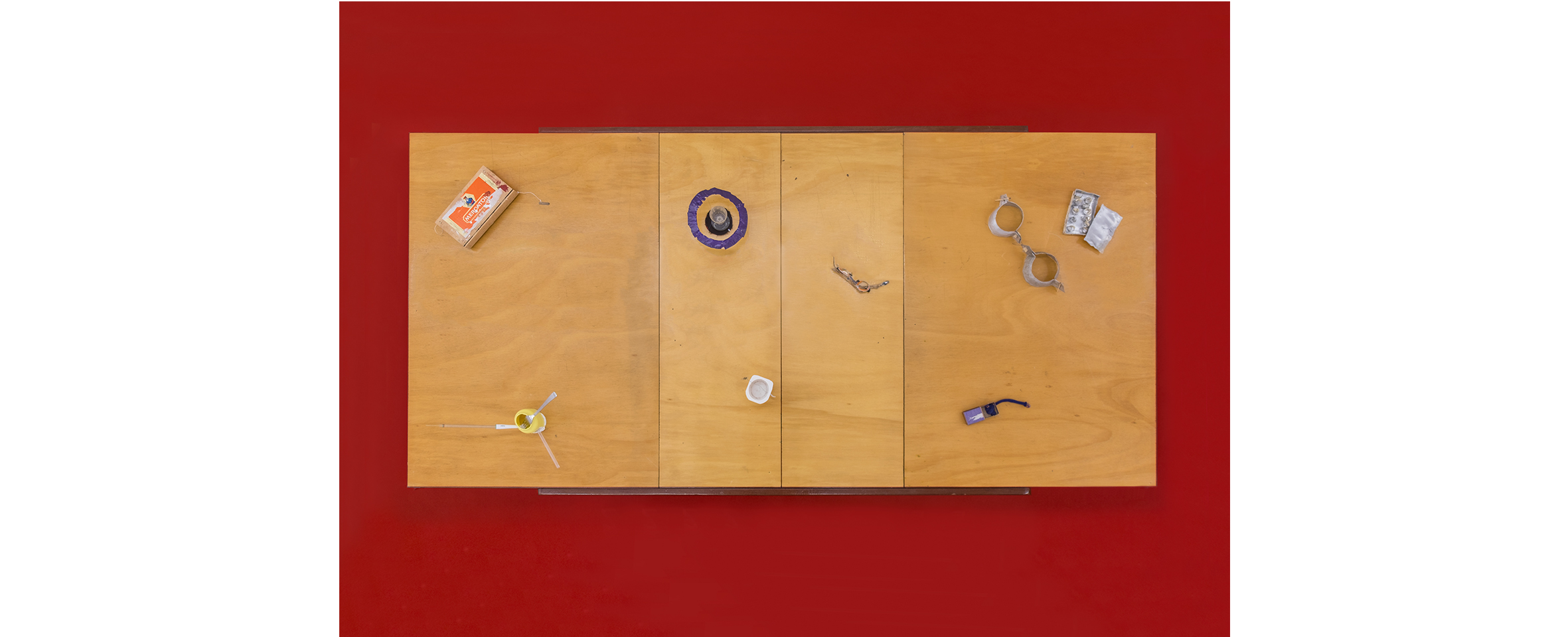
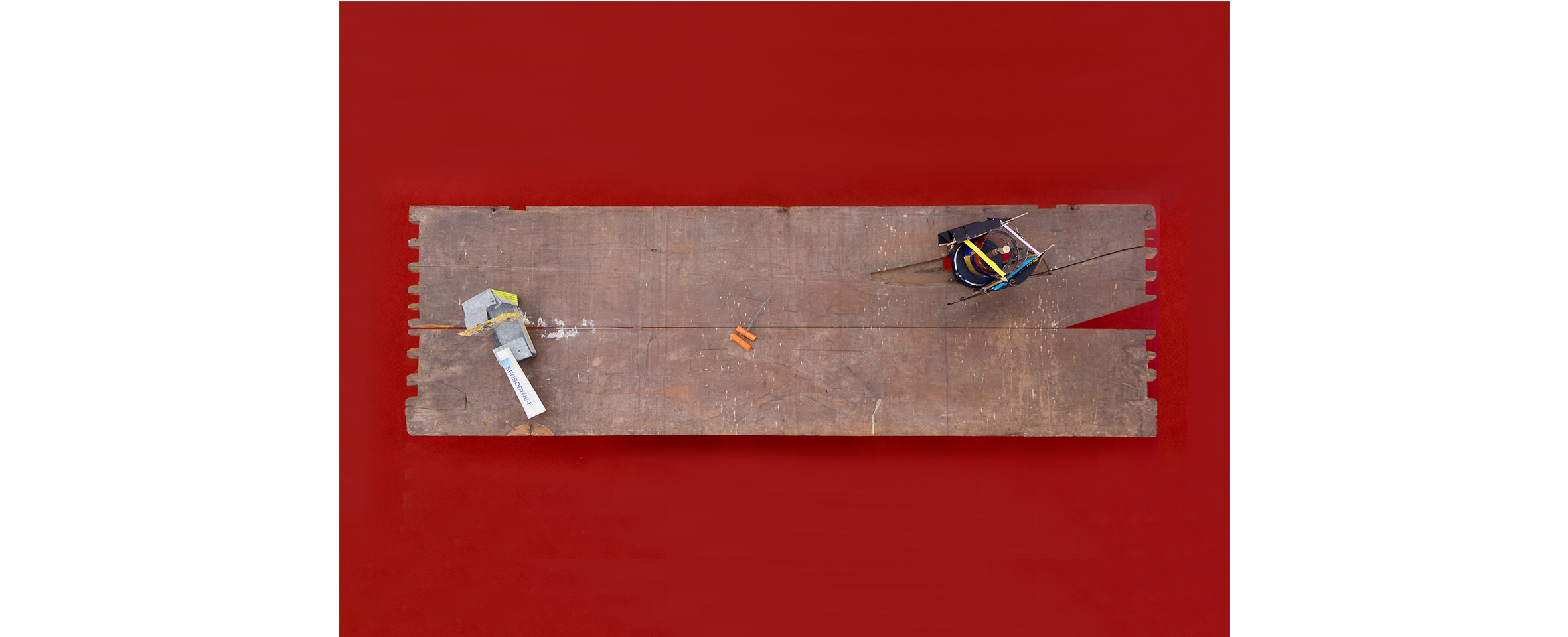
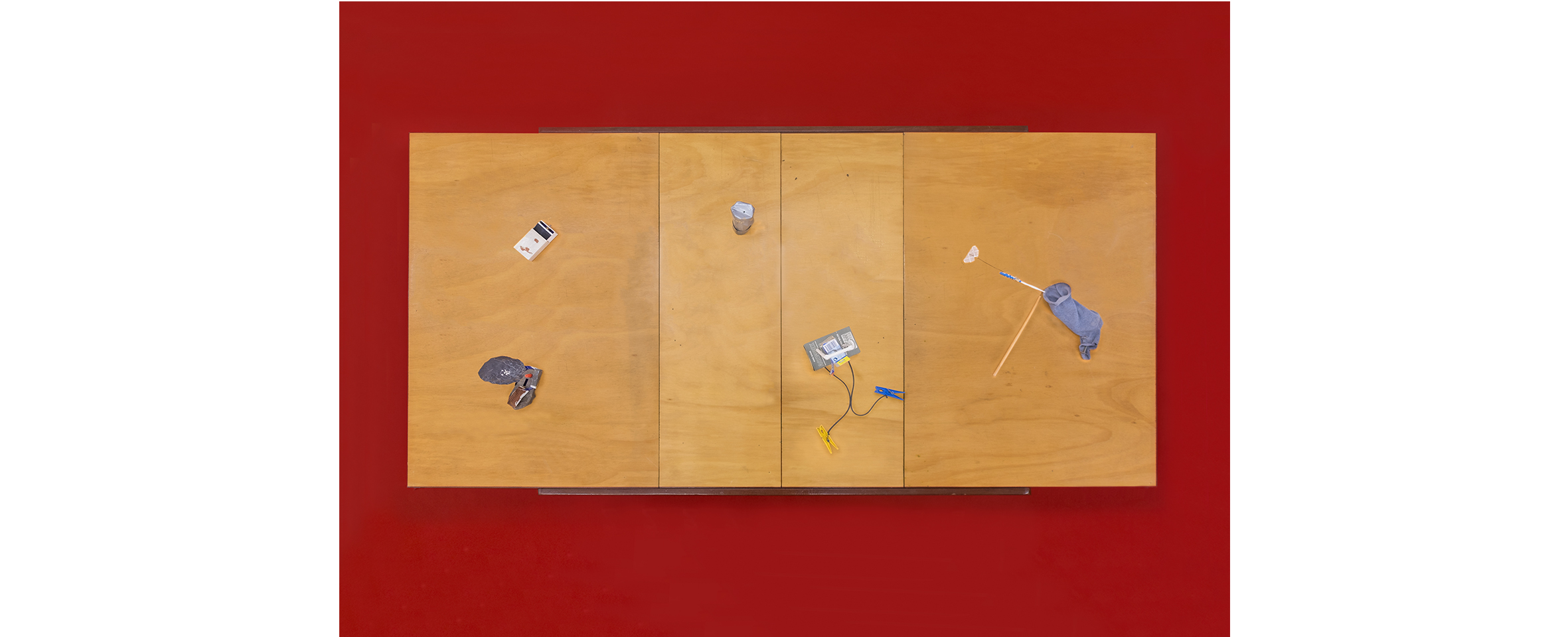
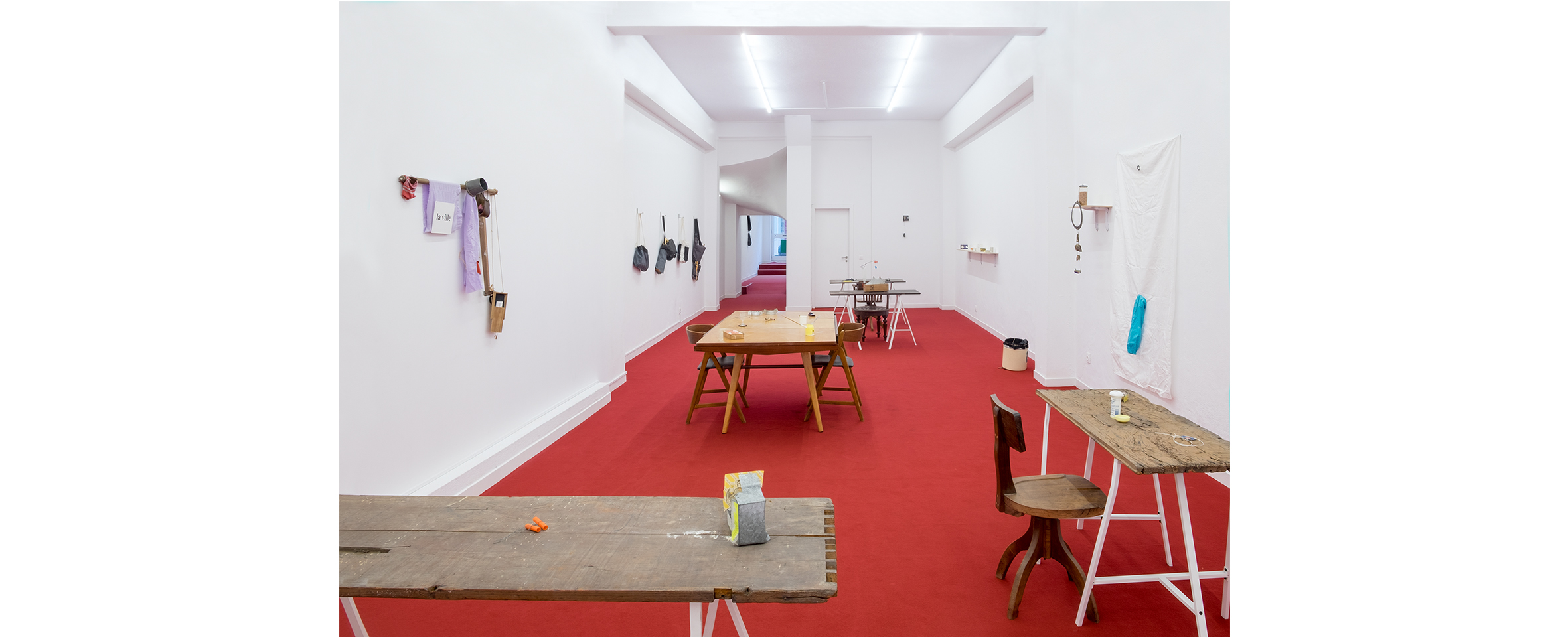
A exposição “L’Éternité par les astres” cita, no seu título, um livro homónimo escrito por Louis Auguste Blanqui em 1872. O revolucionário francês escreveu este texto na prisão- Castelo de Taureau, enquanto cumpria uma pena por se ter envolvido nos motins que tiveram lugar em Paris, dois anos antes. Nesta exposição reúnem-se obras realizadas desde 1992 até à actualidade. Trata-se, portanto, de uma selecção que teve em conta as diferentes linhas de trabalho do artista, não só em termos formais, mas também conceptuais, nomeadamente nas relações entre arte e literatura, arte e filosofia, e arte e política. A montagem procurou ainda responder a um dos desafios relacionados com as peças de Emídio Agra, pois muitas delas apenas revelam as suas diferentes “faces” através de um processo de desdobramentos conduzido pelo seu autor – refira-se que em alguns casos, os objectos escondem peças de vestuário, as quais, depois de vestidas, numa operação próxima de uma performance, revelam uma dimensão poética, intuída mas invisível num primeiro instante. Joga-se, assim, com a contradição entre o valor de uso e o valor de exposição, quando temos um, perdemos o outro.
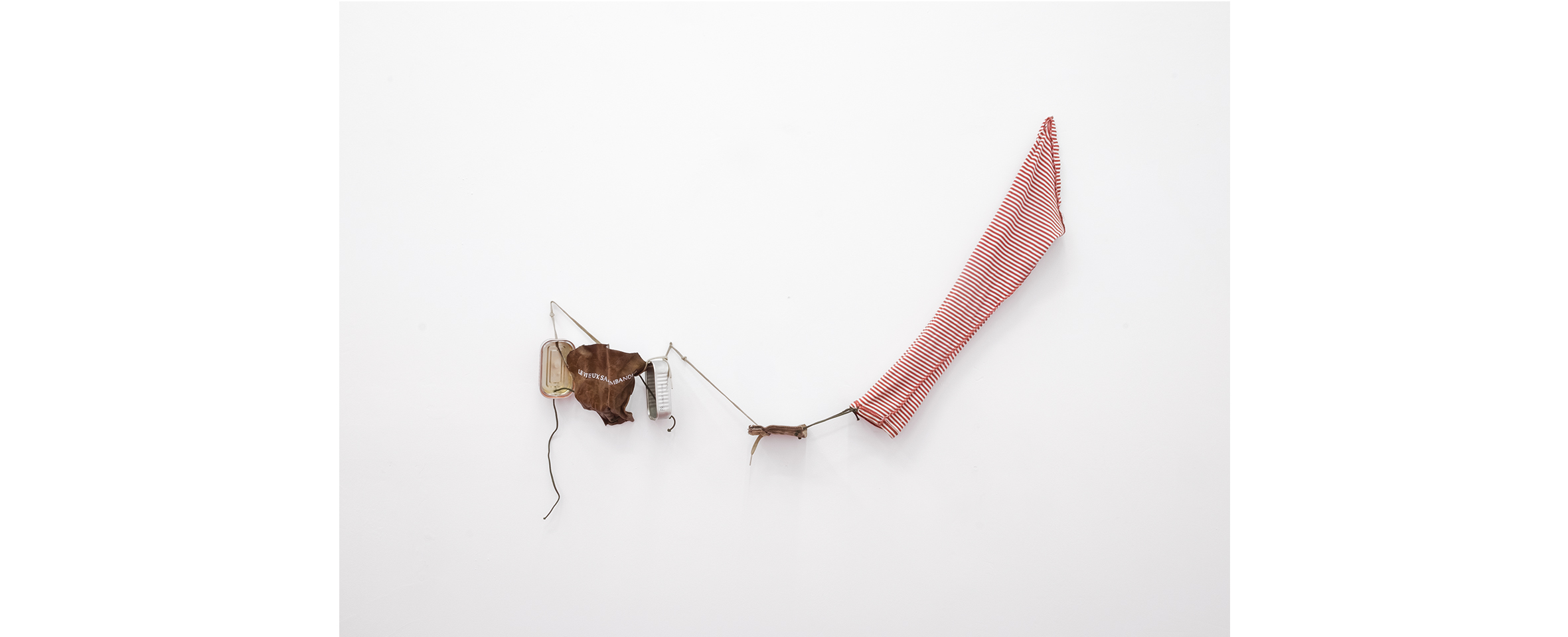
As obras são mostradas maioritariamente na sua versão dir-se-ia mais conservadora, pois ou lhes falta o movimento que elas ganham quando manipuladas ou surgem aos olhos do espectador como simples objectos, que escondem a sua vida interior, apenas possível de ser activada pelo artista, que, nessas acções, assume diferentes personagens – um fantasma, um pianista, um cego, ou um velho saltimbanco, neste caso uma alegoria acerca da postura do artista no meio artístico contemporâneo. Esta é apenas uma possibilidade de montagem: a hipótese de fazer acompanhar as peças de fotografias que de algum modo explicitassem as suas diferentes formas persistiu até ao fim. O enigma permanece e faz com que os trabalhos resistam à sua total apreensão pelo espectador. Em aberto fica a possibilidade de durante o curso da exposição acontecerem instantes de revelação desse algo que se esconde aos nossos olhos, podendo mesmo esse desvelar ser realizado no âmbito de uma publicação.
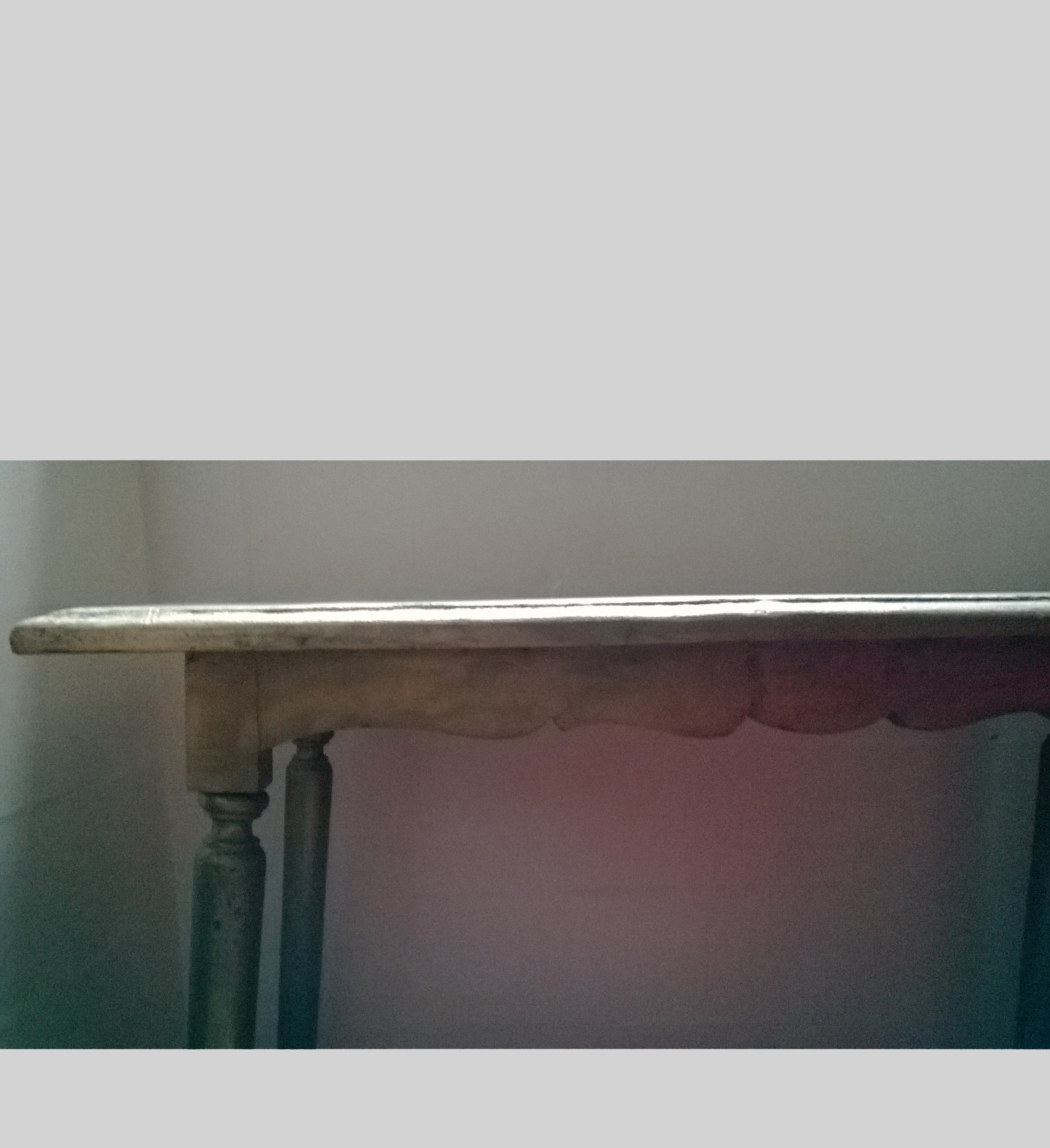
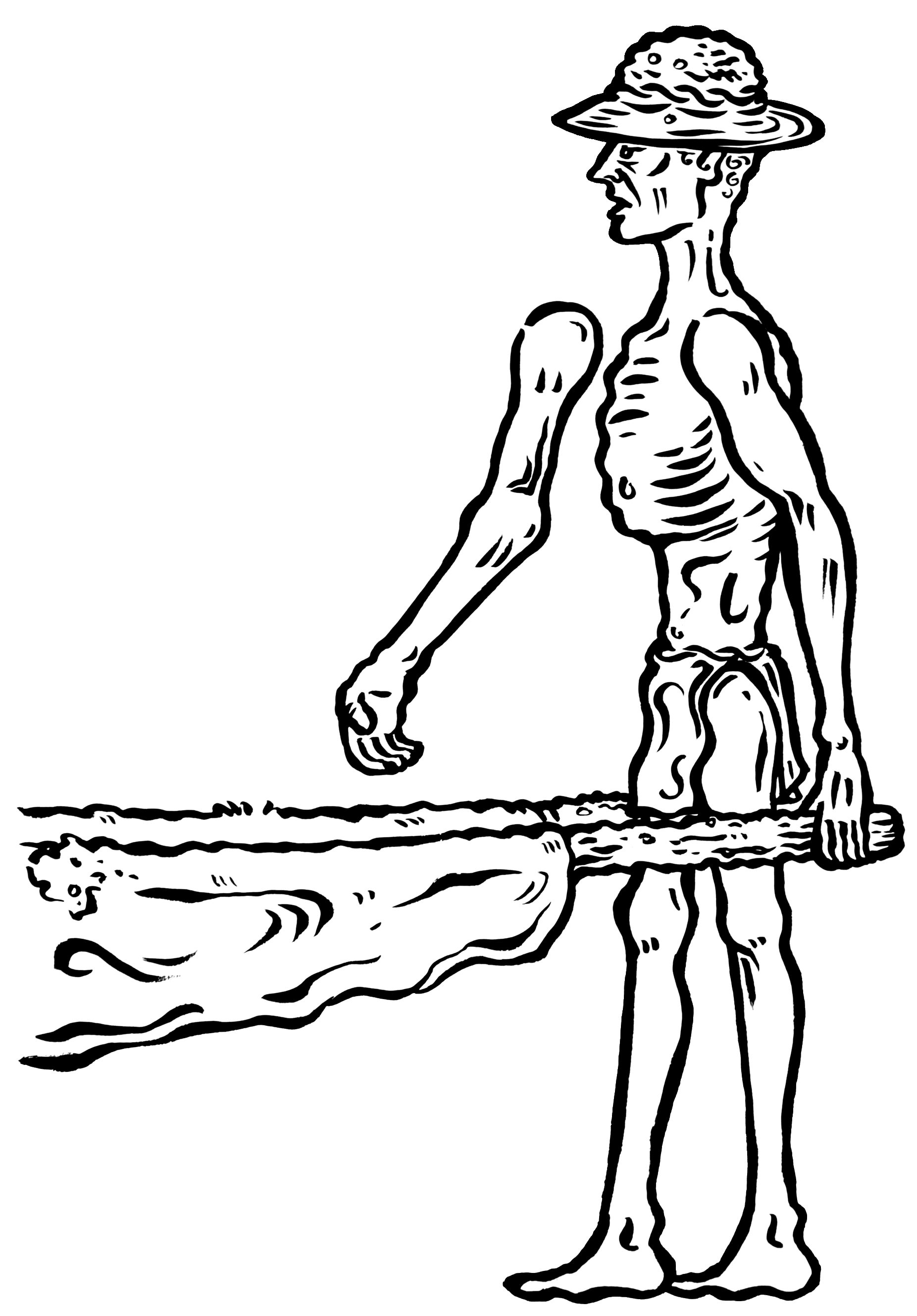
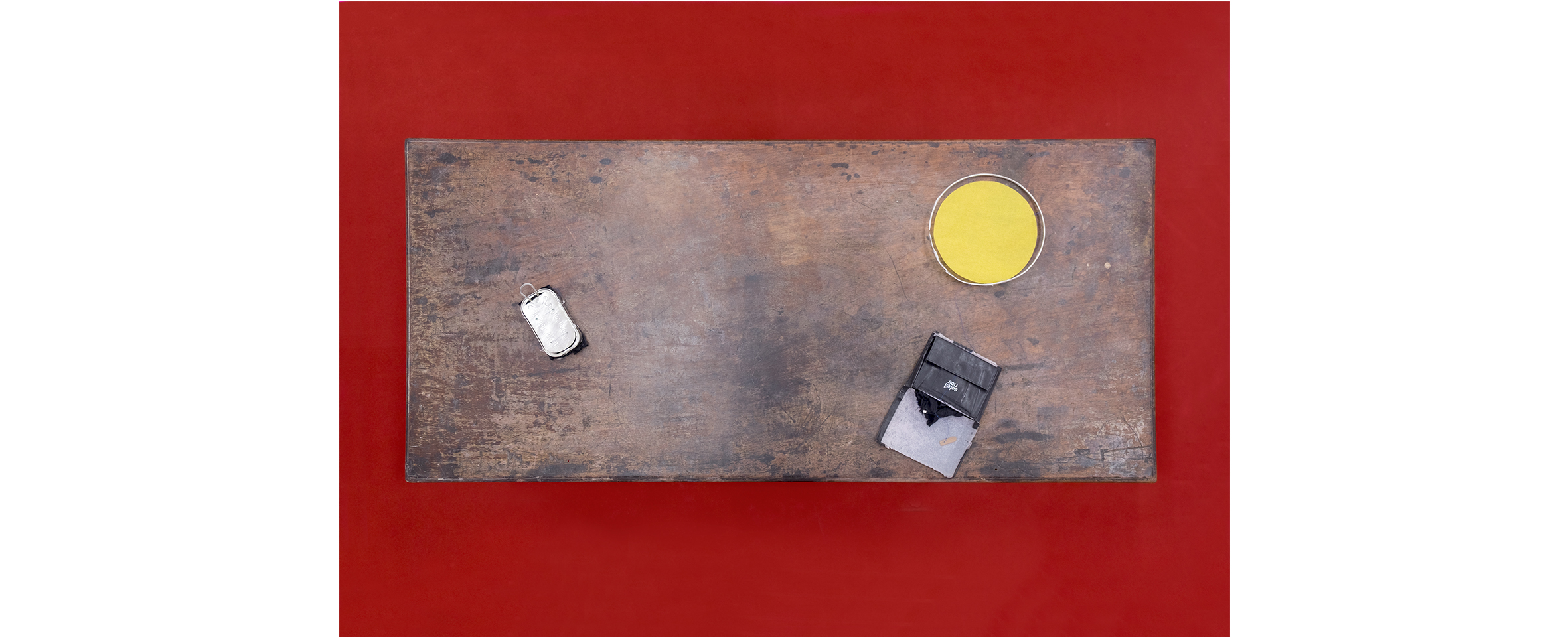
No processo de escolha das obras, teve-se ainda em conta o facto do artista se ter negado a mostrar o seu trabalho durante mais de vinte anos, tempo em que nunca deixou de produzir obra, como se pode constatar pelas datas das mesmas. Procurou-se assim fazer uma selecção de peças que revelassem a coerência interna de um percurso com quase trinta anos, tentando-se, através desta apresentação, criar um dispositivo próximo do fazer de Emídio Agra, sendo a mesa o principal elemento do pensamento associado aos objectos apresentados. Esse móvel, recorde-se, foi igualmente fixado por Kafka num célebre desenho realizado nas margens de um caderno de notas. Nele, podemos observar uma figura esguia sentada numa cadeira, com a cabeça e os braços pousados sobre o tampo de uma mesa, numa postura de descanso ou mesmo de alguém a dormir:
“ ‘Mas afinal quando dorme?’ , pergunta Karl maravilhado, contemplando o estudante. ‘Dormir? Ah, sim... Dormirei quando terminar os estudos’. As crianças também vão dormir de má vontade: enquanto dormem, podem verificar-se acontecimentos que exigem a sua presença. ‘Não esquecer o melhor’ soa como advertência familiar numa obscura massa de antigas histórias, embora talvez não apareça realmente em nenhuma. O esquecimento, porém, diz sempre respeito ao melhor (...)”[1].
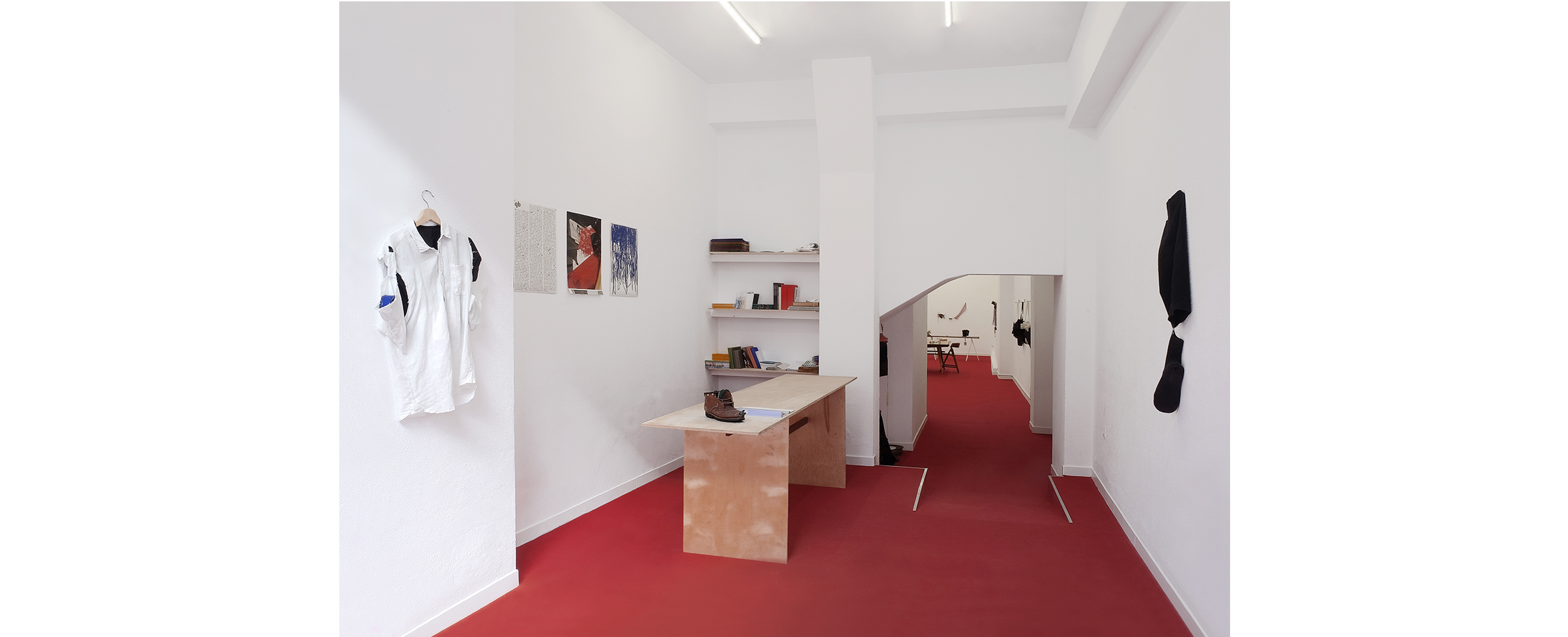
O ambiente da exposição situa-se assim entre uma loja de antiguidades e um armazém de objectos usados. Um cenário onde se pode também imaginar ser possível fabricar os trabalhos agora revelados, pois eles parecem surgir de uma assemblagem de despojos da sociedade. “Enquanto que os interiores em que vivem os homens são o lar da catástrofe, os recantos da infância, lugares abandonados como o vão das escadas, são os lugares da esperança. A ressurreição da carne deveria ter lugar num cemitério de automóveis”[2].
O processo de preparação de “L’Éternité par les astres” incluiu a consulta e estudo de vários textos, os quais possibilitam uma aproximação a estas obras, sendo de destacar os contos “Preocupações de um pai de família” e “O caçador Gracchus”, de Franz Kafka, os ensaios acerca deste autor escritos por Walter Benjamin e T. W. Adorno, e ainda a poesia de Baudelaire e uma carta escrita por W. Benjamin a Max Horkheimer, na qual o primeiro revela a sua descoberta do livro de Blanqui, um texto especulativo acerca do universo, que, como nota o autor alemão, era inesperado por ser escrito por um revolucionário “coup de main”. Nele, Benjamin vê “a mais terrível acusação contra uma sociedade que reflectiu esta imagem do cosmos enquanto projecção de si na direcção dos céus”. E continua: “No seu tema do ‘eterno retorno’, o escrito tem a mais notável relação com Nietzsche: uma mais obscura e profunda relação com Baudelaire, que ecoa quase literalmente em algumas passagens esplêndidas”[3].
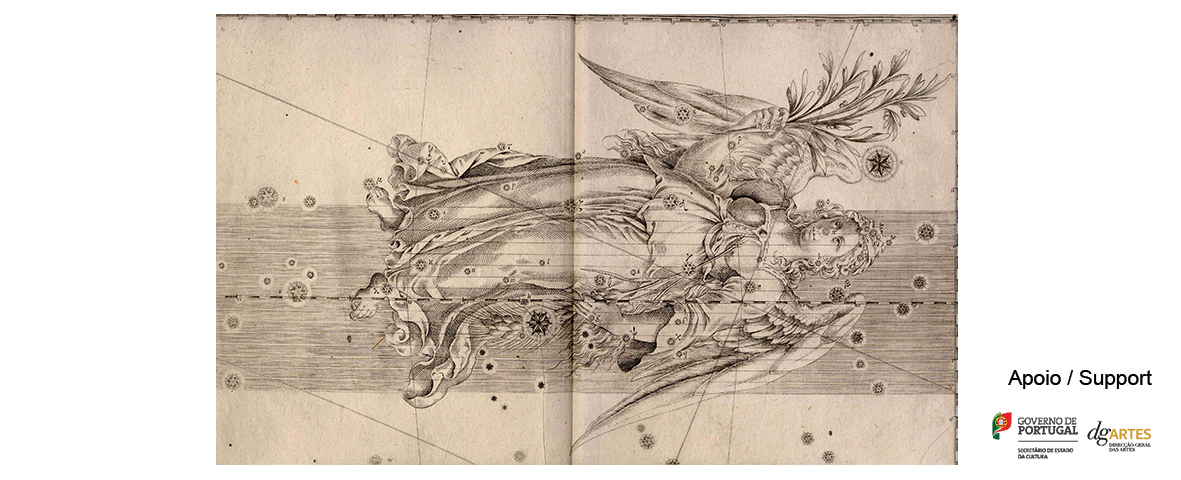
Blanqui, Benjamin e Baudelaire são apenas três dos nomes da constelação que tem vindo a ser criada por Emídio Agra ao longo dos anos – a eles podemos juntar Maupassant, Proust e Beckett. É, por isso, porventura, que, aos olhos de muitos espectadores, este é um artista inactual, como esta exposição tem tudo para ser lida como obsoleta, pois tudo nela aponta para um materialismo que procura conscientemente distanciar-se das fantasmagorias características de muita da produção contemporânea. Os objectos apresentados podem também inscrever-se numa tradição surrealista, sobretudo aquela representada por Joseph Cornell e, no caso português, por Álvaro Lapa, que também construiu a sua secretária de Kafka – no diálogo com o artista foi também tida em conta a instalação “O final feliz de ‘Amerika’, de Franz Kafka” (1994), de Martin Kippenberger.
Há ainda um aforismo de Kafka, escrito em Zürau, que serviu de mote e motivação para este desafio de apresentar esta desafiante obra, tão singular e excêntrica aos temas em voga na arte contemporânea: “He runs after the facts like someone learning to skate, who furthermore practices where it is dangerous and has been forbidden”[4].
[1] Walter Benjamin, Kafka, Lisboa, Hiena, 1987, p.52 [2] T. W. Adorno, “Apuntes sobre Kafka”, Prismas, Barcelona, Ariel, p. 292. [3] W. Benjamin, The Correspondence of Walter Benjamin, Chicago, The University of Chicago Press, 1994, p. 549. [4] Franz Kafka, The Zürau Aphorisms, Londres, Harvill Secker, 2006.
Emídio Agra (1968) é licenciado em Artes Plásticas - Pintura pela Faculdade de Belas Artes da Universidade do Porto e doutorado em Estética pela Faculdade de Filosofia da Universidade de Barcelona.
"L'Éternité par les astres"
Solo show by Emídio Agra
Curated by Óscar Faria
Saturday, March 23 2019
16h - 19h30
The exhibition "L'Éternité par les astres" borrows the title of a book written by Louis Auguste Blanqui in 1872. The French revolutionary composed that text in the prison of Taureau Castle, while serving a sentence for his involvement in the riots which took place in Paris two years earlier. This exhibition brings together works from 1992 to the present. It is a selection that took into account the artist’s different lines of work, not only in formal but also in conceptual terms, in particular the relations between art and literature, art and philosophy, and art and politics. The setup also attempted an answer to one of the challenges posed by Emídio Agra’s pieces: many of them only reveal their different "faces" through a process of unfolding conducted by its author – it is worth noting that in some cases his objects conceal garments which, when worn, in an operation akin to a performance, reveal a poetic dimension, intuited but invisible at first. In this way, the works play with the contradiction between use value and exhibition value: when we have one, we lose the other.
The works are mostly shown in their more conservative version, so to speak, for they either lack the movement they gain when manipulated or appear in the eyes of the viewer as mere objects, their inner life dormant, which can only be activated by the artist, who, through these actions, takes on different roles - a ghost, a pianist, a blind man, or an old mountebank, in this case an allegory about the artist's posture in the contemporary art world. This is only one of the conceivable setups: the possibility of accompanying the pieces with photographs that somehow explained their different configurations was entertained up to the end. The enigma prevails and makes the works resistant to their total apprehension by the spectator. A possibility that remains open, is that in the course of the exhibition there will be moments of revelation of this something that is hidden, an unveiling that may even be carried out in a publication.
In the process of selecting works, it was also taken into account that the artist declined to show them for more than twenty years, during which time he never stopped producing, as one can observe from their dates of creation. An effort to make a selection of pieces that revealed the internal coherence of a course of almost thirty years was made, by trying, through this presentation, to create a device close to Emídio Agra’s praxis, the table being the main element of thought associated with the objects displayed. It is worth noting that this particular furniture piece was also immortalized by Kafka in a celebrated drawing on the edges of a notebook. In it we can see a slender figure sitting on a chair, with his head and arms resting on a table top, in a prone or even sleeping position:
« ‘But when do you sleep?’ asked Karl, looking at the student in surprise. ‘Oh, sleep!’ said the student. ‘I'll get some sleep when I'm finished with my studies.’ This reminds one of the reluctances with which children go to bed; after all, while they are asleep, something might happen that concerns them. ‘Don't forget the best!’ We are familiar with this remark from a nebulous bunch of old stories, although it may not occur in any of them. But forgetting always involves the best (…)» [1].
The atmosphere of the exhibition is thus something between an antique shop/ old curiosity shop and a warehouse of used and shopworn objects. Such an environment, one may well imagine, could have been the birthplace of the works now shown, for they appear to arise from an assemblage of society's debris. “Whereas the interiors, where men live, are the homes of the catastrophe, the hideouts of childhood, forsaken spots like the bottom of the stairs, are the places of hope. The resurrection of the dead would have to take place in the auto graveyards”[2].
The process of preparation of "L'Éternité par les astres" included the reference to and study of several texts, which enable an approximation to the present works. Notable among these texts are Franz Kafka’s short stories "The cares of a family man" and "The hunter Gracchus", essays on Kafka written by Walter Benjamin and T. W. Adorno, and also the poetry of Baudelaire and a letter written by W. Benjamin to Max Horkheimer, in which the former reveals to the latter his discovery of Blanqui's book, a speculative text about the universe, which, as the German author notes, was unexpected because it was written through a revolutionary "coup de main". In it, Benjamin sees “the most terrible accusation against a society that has reflected this image of the cosmos as a projection of itself onto the heavens”. He continues: “In this theme of the ‘eternal return’, the piece has the most remarkable relationship to Nietzsche: a more obscure and profound relationship to Baudelaire, whom it almost literally echoes in some splendid passages”[3].
Blanqui, Benjamin and Baudelaire are only three of the names in the constellation that Emídio Agra has conjured over the years - we can add Maupassant, Proust and Beckett. This is perhaps why many spectators will judge him not to be a current artist and this exhibition to be obsolete, since everything in it points to a materialism that consciously seeks to distance itself from the phantasmagoria characteristic of much of contemporary production. The objects presented can also be inscribed in a surrealist tradition, especially that represented by Joseph Cornell and, in the Portuguese case, by Álvaro Lapa, who also built his own Kafka’s table – in the dialogue with the artist was also taken into account Martin Kippenberger’s installation "The happy ending of 'Amerika', by Franz Kafka" from 1994.
There is also an aphorism by Kafka, written in Zürau, which served as a motto and motivation for this challenge of presenting this challenging work, so unique and eccentric compared to the themes in vogue in contemporary art: “He runs after the facts like someone learning to skate, who furthermore practices where it is dangerous and has been forbidden”[4].
[1] Walter Benjamin, “Franz Kafka”, Selected Writings, Vol. 2-Part 2, The Belknap Press of Harvard University Press, 2005. [2] T. W. Adorno, “Notes on Kafka”, Prisms, Massachusetts, MIT, 1997. [3] W. Benjamin, The correspondence of Walter Benjamin, Chicago, The University of Chicago Press, 1994. [4] Franz Kafka, The Zürau Aphorisms, Londres, Harvill Secker, 2006.
Emídio Agra (1968) has a degree in Fine Arts - Painting from the Faculty of Fine Arts of the University of Porto and a PhD in Aesthetics from the Faculty of Philosophy at the University of Barcelona.