2020, 09.07 - 2020, 10.03
/ Susanne Themlitz: Longe. Desvelado. Ao vento, curadoria de / curated by Óscar Faria





"Longe. Desvelado. Ao vento.”
Exposição individual de Susanne Themlitz
Curadoria de Óscar Faria
Sábado, 7 de Setembro 2020
15h00-19h00
Até 3 de Outubro 2020
Sempre por nascer
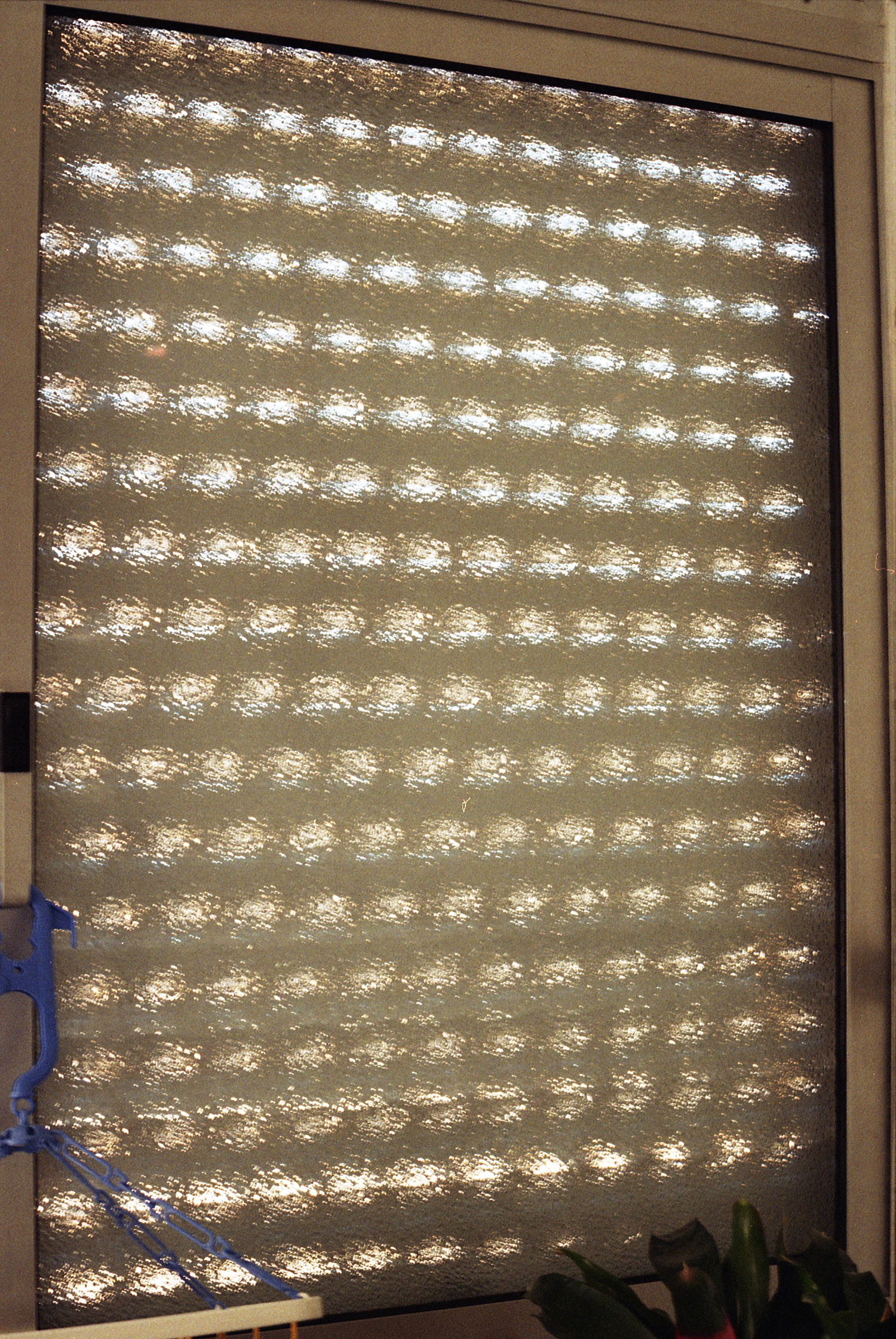
No centro da sala imaginei um atanor, esse forno cósmico usado para manter uma temperatura uniforme de forma a dar tempo a que transmutação acontecesse. Tudo irradiaria a partir desse núcleo. As sombras nas paredes apenas iriam confirmar o acontecimento: uma subtil mudança atmosférica, uma ligeira alteração da cor, uma insignificante expansão do espaço – pequenos nadas apenas medidos na progressão dos anos. Tudo era idêntico, mas essas metamorfoses microscópicas faziam toda a diferença.
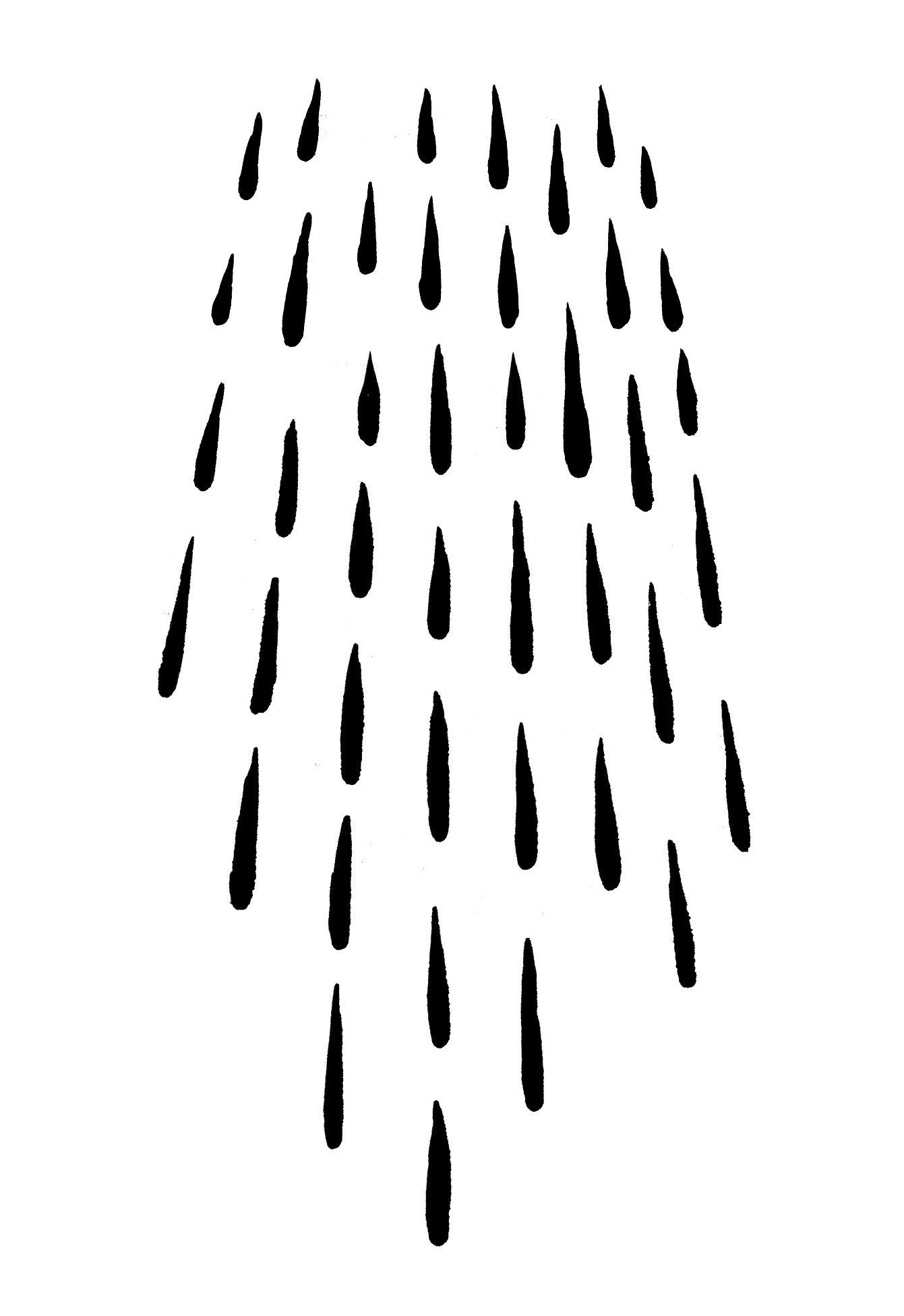
A letra “a", por exemplo, indicava um início, que se repetia até se dissolver, perdendo-se assim a sua origem. Os títulos sucediam-se e estavam sempre a falhar, porque aquilo que agarraram depressa dava lugar a um outro estado, mais sólido, mais líquido. No fundo, podia descrever-se este lugar a partir do seu ambiente cársico. A corrosão das rochas vive nos desenhos, como estes habitam a sucessão dos dias, por vezes solares, muito frequentemente de persistente chuva. A noite, essa, era cortada pela velocidade.
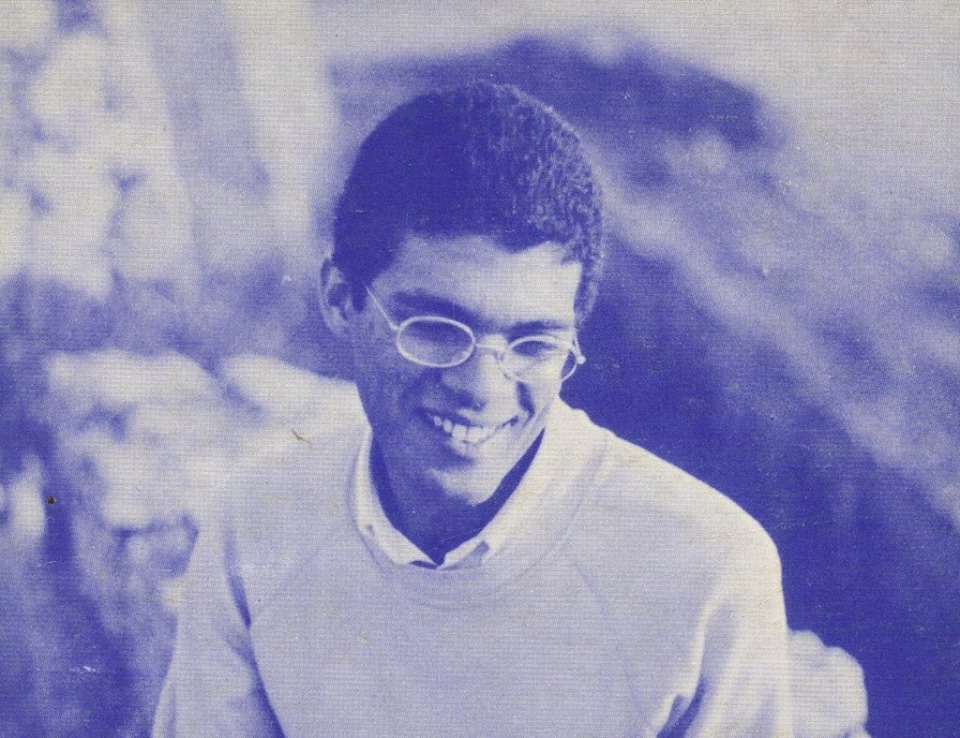
Uma Suzuki, pensei imediatamente, abrindo desde logo uma clareira para acolher as rotações de um pensamento milenar: “O mundo interior não tem limites e o mundo exterior também é ilimitado. Nós dizemos ‘mundo interior’ e ‘mundo exterior’, mas, na verdade, só há um único mundo. Nesse mundo sem limites, a garganta é uma espécie de porta de vaivém. O ar entra e sai como alguém passando por uma porta de vaivém. Se você pensa ‘eu respiro’, o ‘eu’ está a mais. Não há um você para dizer ‘eu’. O que chamamos ‘eu’ é apenas uma porta de vaivém que se move quando inalamos e exalamos. Ela simplesmente se move, eis tudo. Quando sua mente está pura e calma o suficiente para seguir esse movimento, não há nada: nem ‘eu’, nem mundo, nem mente, nem corpo. Só uma porta que vai e vem.”
Passei dias a tentar decorar estes desenhos. Como quem fixa uma fala no teatro, comecei por repetir cada linha, cada tonalidade, cada movimento, até sabê-los de cor. Associei cada um a uma música, uma forma também de os poder diferenciar através dos seus ritmos. Apri le luci, e mira (Vivaldi), Zefiro Torna (Monteverdi), Chi non sente (Riccardo Broschi), Vertigo (Joseph-Nicolas-Pancrace Royer), Territory (The Blaze), I contain multitudes (Bob Dylan), My Rajneesh (Sufjan Stevens), etc. De correr, aberta para as palmeiras e o pinhal, através do qual o mar ia e vinha, a porta deixava entrar o vento de NNO, entre 10 a 15 Km/h.
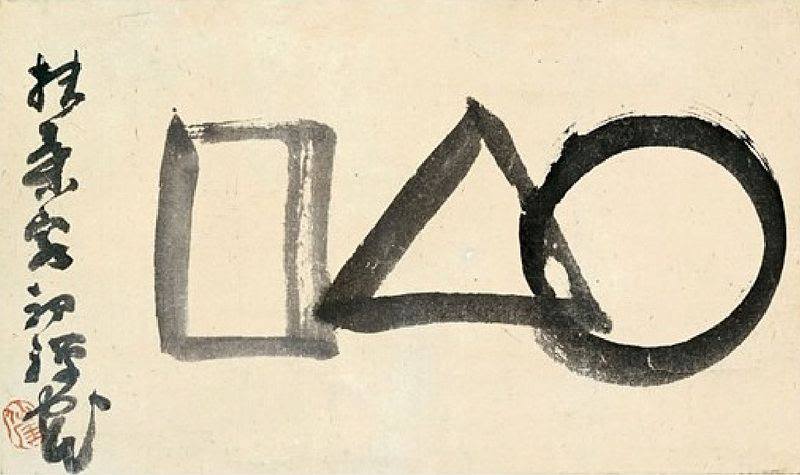
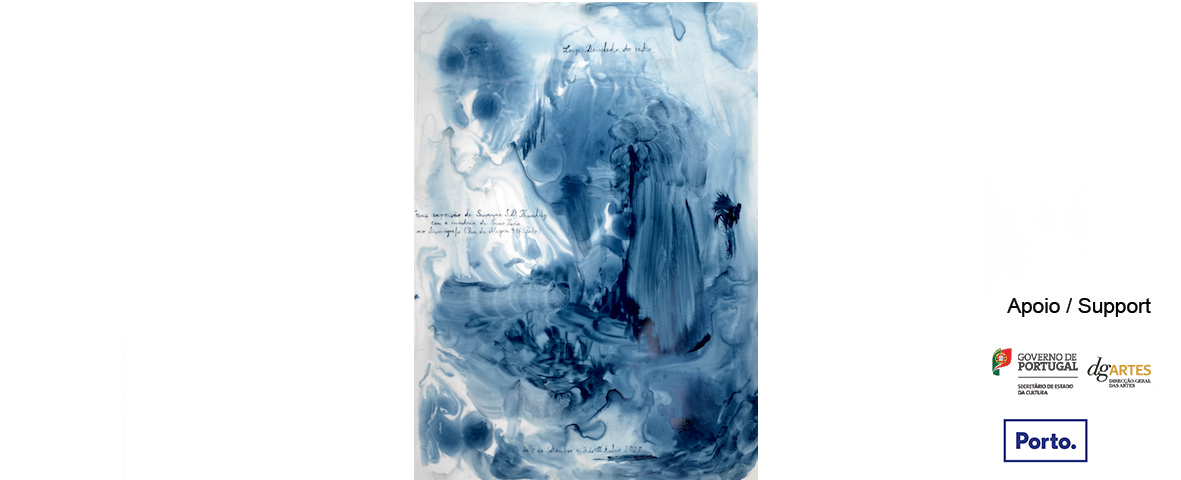
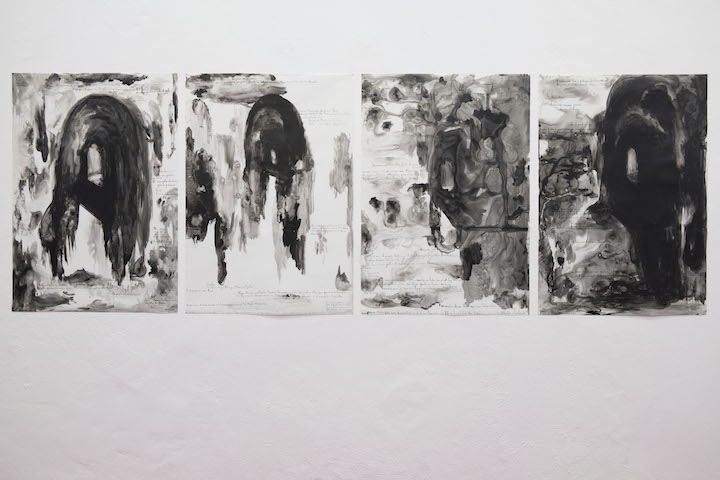
Uma Vespa, lenta como o Verão, zumbia no alcatrão, e leio: “Depositou o ar nas narinas e ficou/ o fio esticado de uma ponta à outra." Os desenhos escrevem. Desabam sobre palavras. Em catadupa. Com uma grafia que lembra a infância. E o “A" volta para nos fazer voltar ao início, a esse tempo sem temperatura, sem cheiros, que se desfia ao sabor de uma luz que vem do interior. Suzuki-Vespa: pólen que é transportado através dos papéis pousados sobre a mesa de trabalho. “Longe a montanha Desaparece/ no Branco. O Vapor/ deita-se. Devagar.”, lê-se outra vez. Os desenhos são paisagem: Hakuin Ekaku e Sengai Gibon.
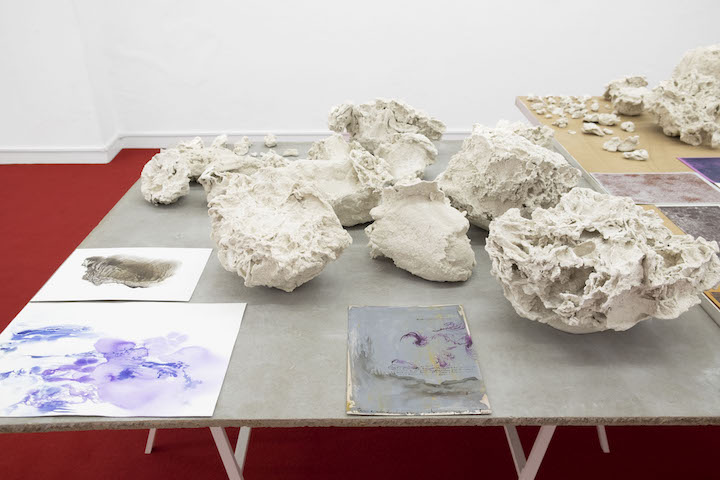
Baixo os olhos e encontro a prova que o lugar onde estou foi outrora o fundo do mar. Mergulho e chego à superfície com as mãos cheias de sal, corais, algas e conchas. Trago também uma estrela do mar, um cavalo marinho, uma pérola e mexilhões. Sobre os cavaletes, o oceano é iluminado por um “A", que paira do tecto, um “A" minguante, no qual também cabe o chilrear dos grilos, o aroma adocicado das alfarrobeiras, que se mistura com o zimbro, o funcho-do-mar, a barrilha, a salgadeira e o pampilho-marítimo. A maresia traz também o cheiro do sargaço e o roncar dos motores das traineiras.
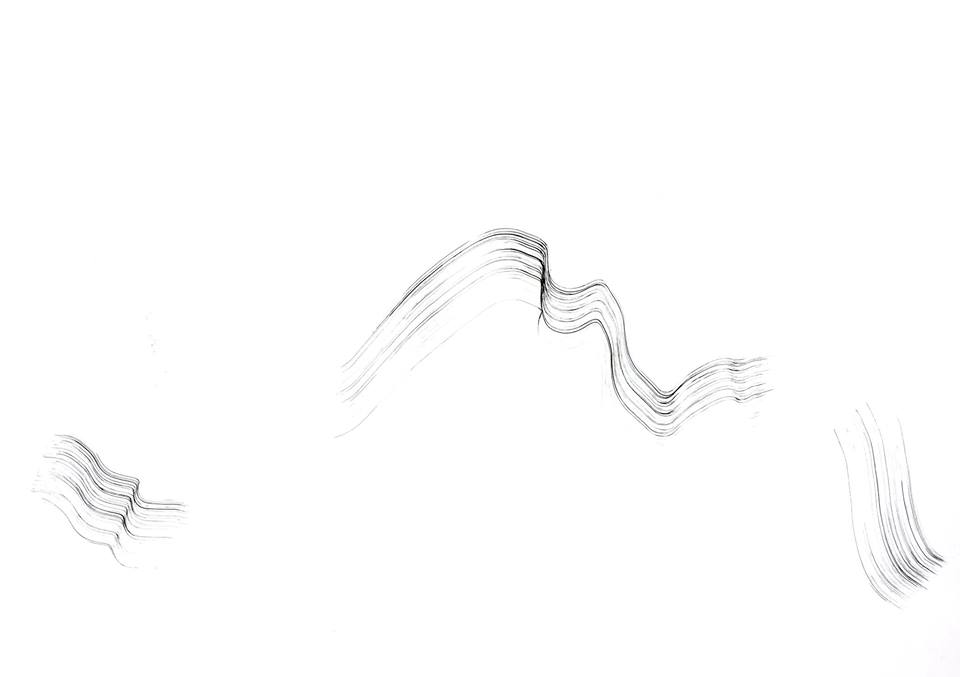
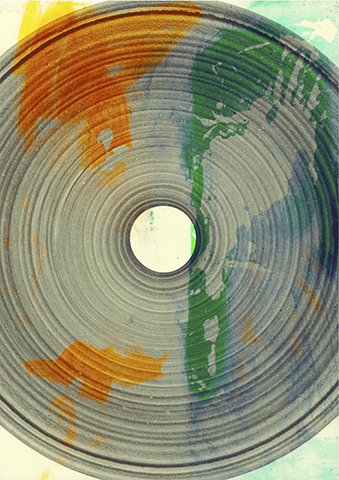
E a madrugada dilata-se entre aguadas e a liquefacção da letra fundadora. “Não há nada: nem ‘eu’, nem mundo, nem mente, nem corpo. Só uma porta que vai e vem.” O espaço, já devidamente aquecido pelo atanor, conserva as propriedades envolventes – humidade, pressão atmosférica, temperatura –, e começa tudo a ser consumido por esse fogo cósmico. A nossa consciência muda-se em desenho e este, por seu lado, metamorfoseia-se numa paisagem sem coordenadas geográficas, apenas possível de ser descrita por uma letra, o “A", que é uma montanha a desaparecer entre a bruma, ou por gestos que agarram as intensidades meteorológicas: daí as manchas de cor, os circunvoluções, as precipitações, os fios de luz, os riscos, as bolhas.
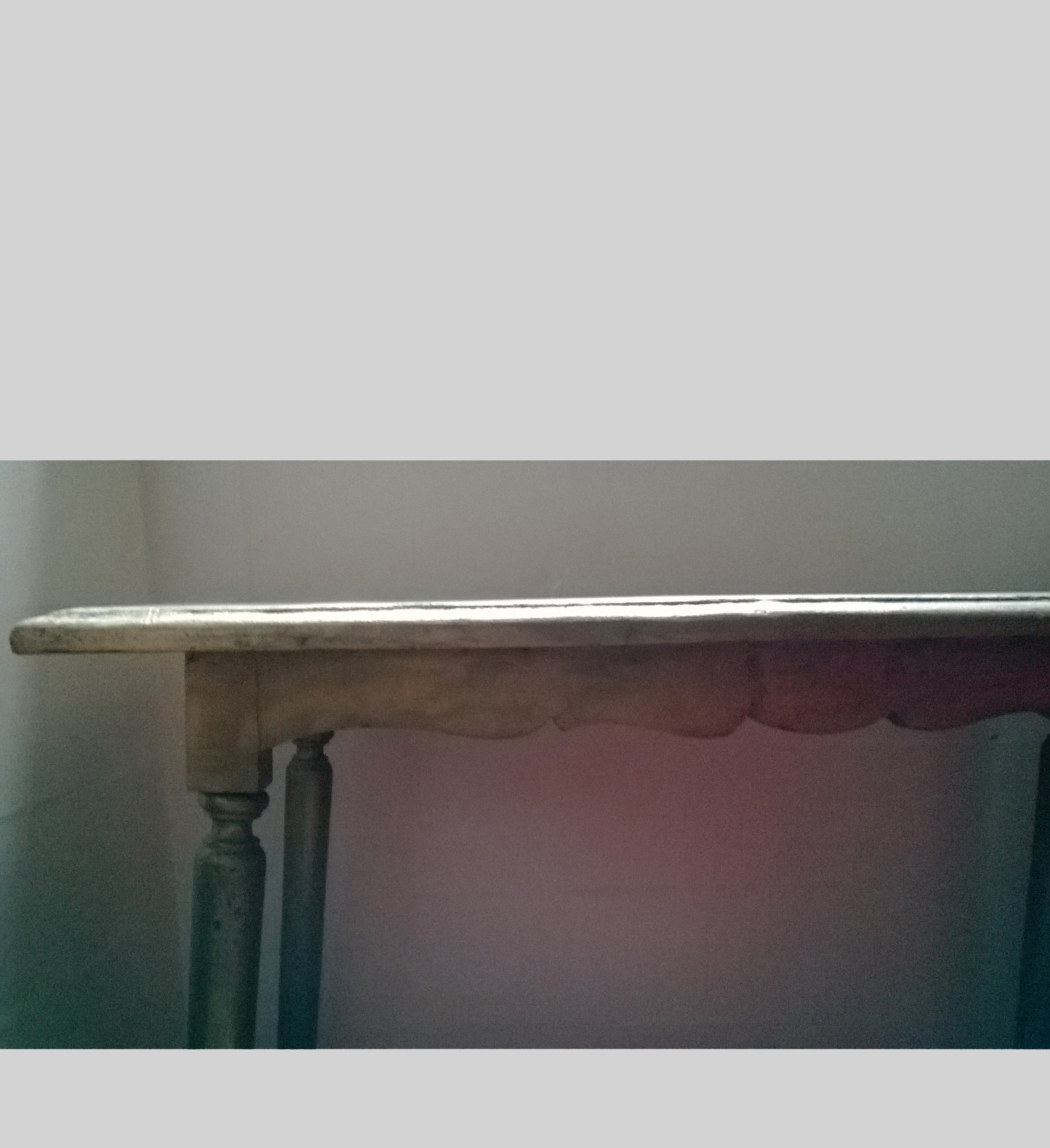
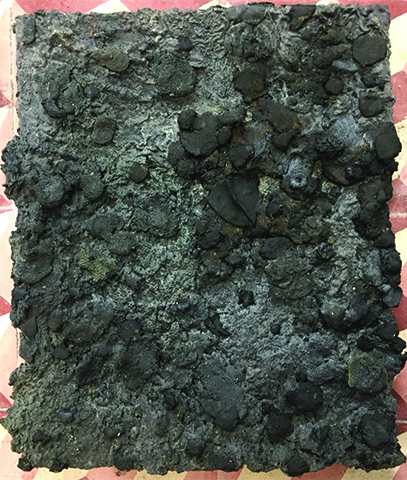
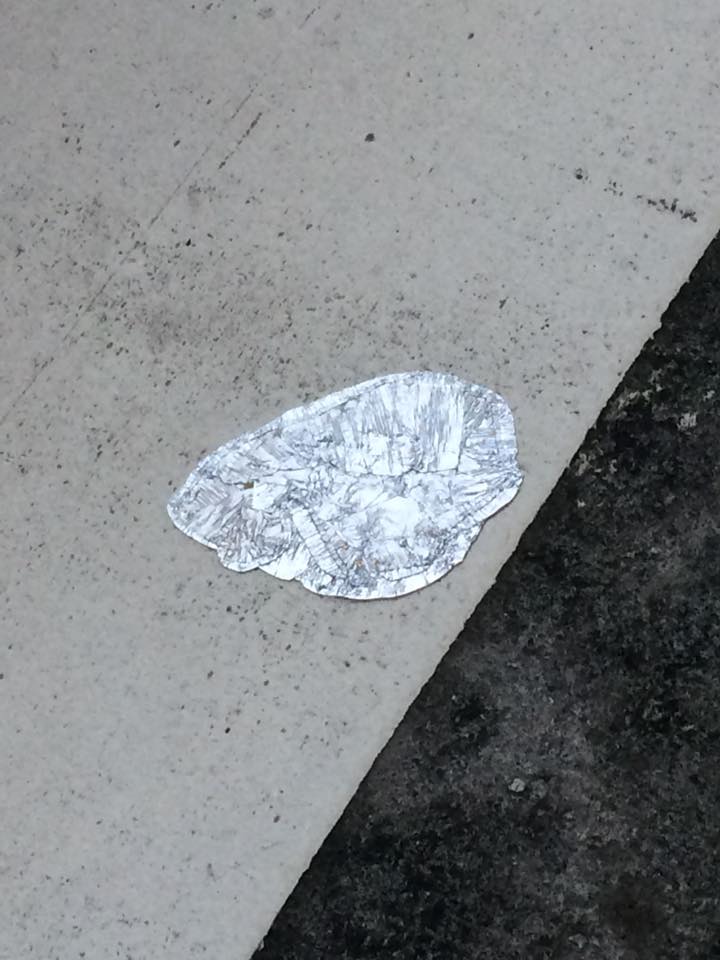
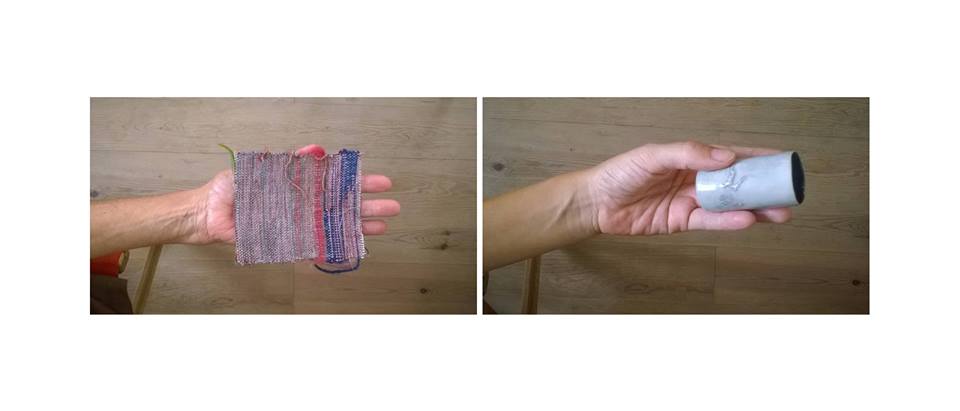
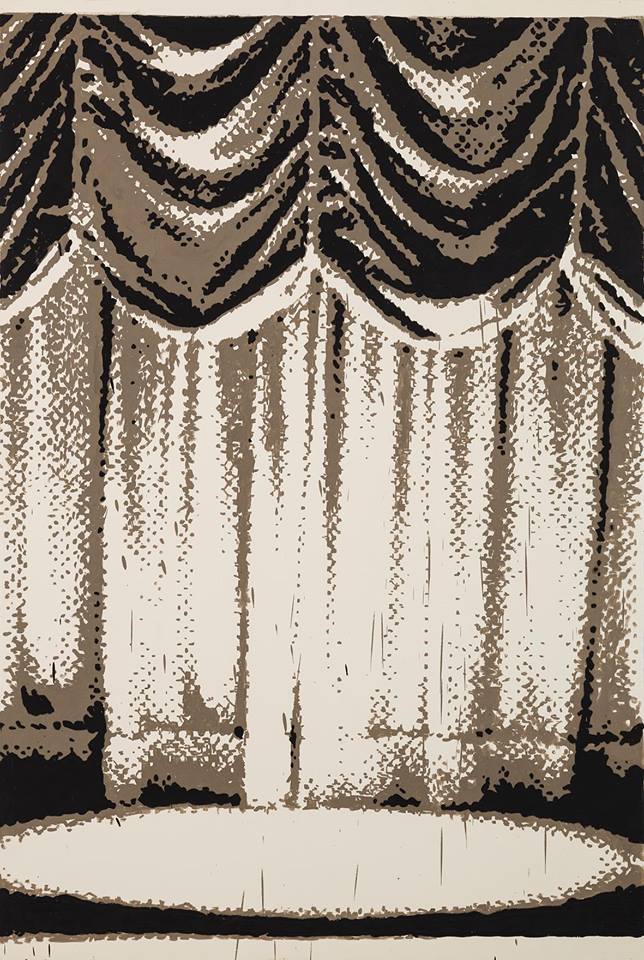
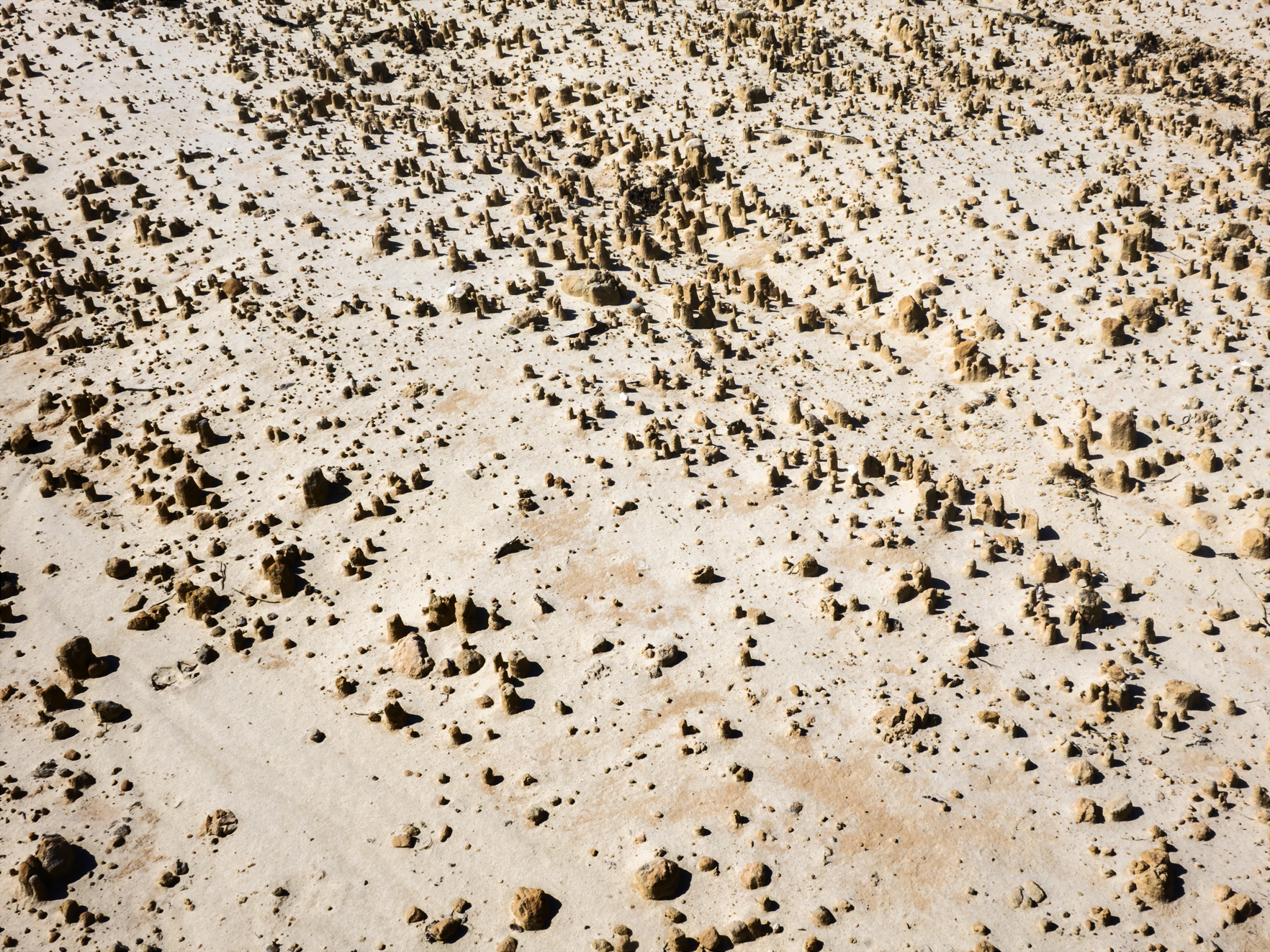
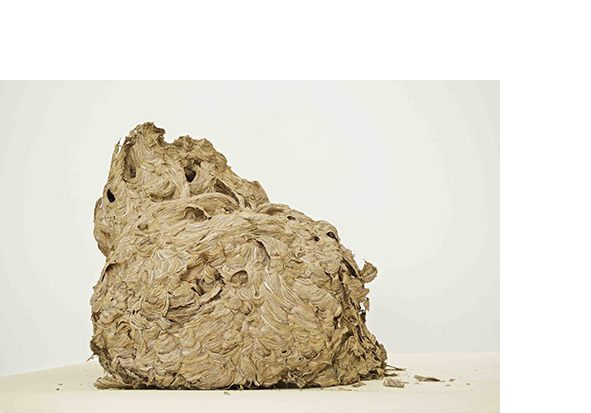
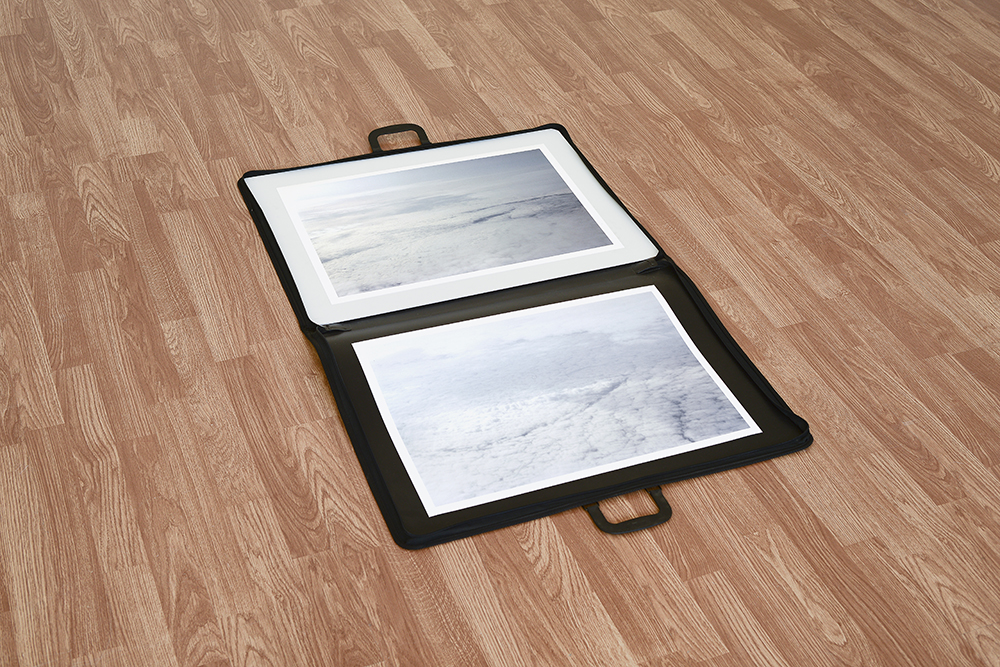
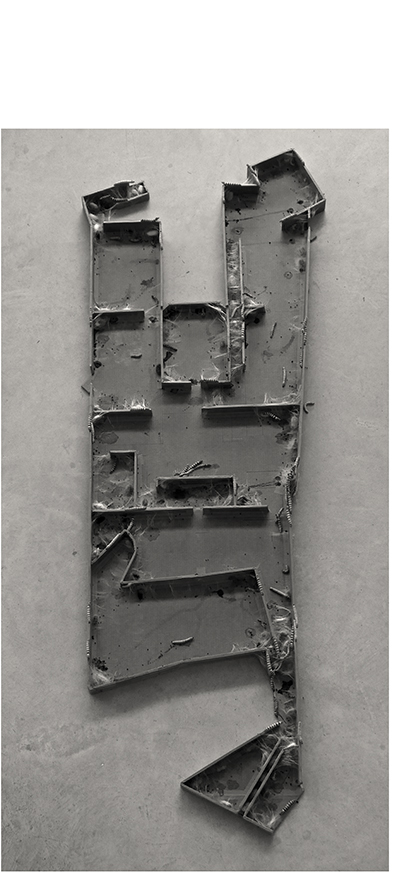
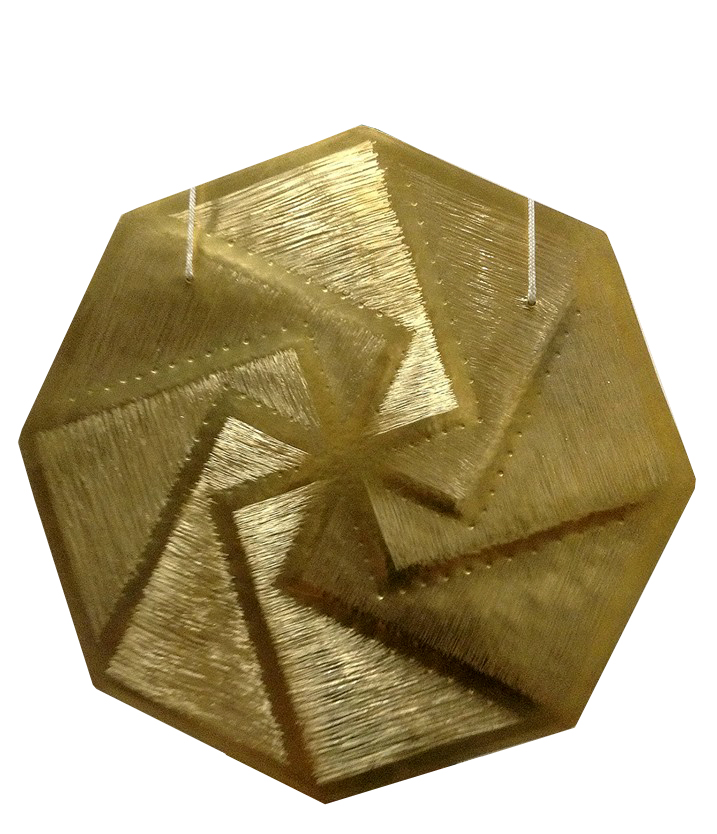
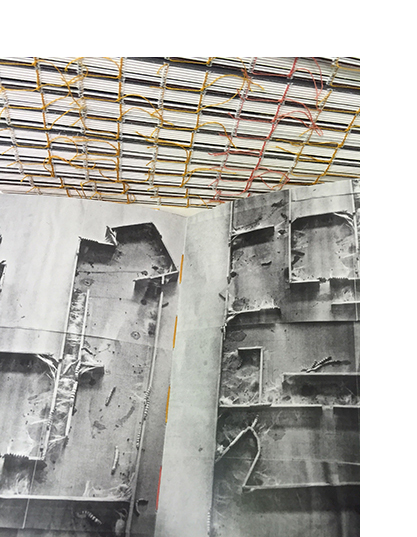
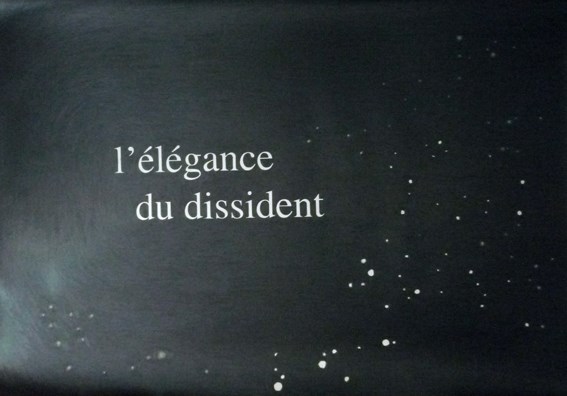
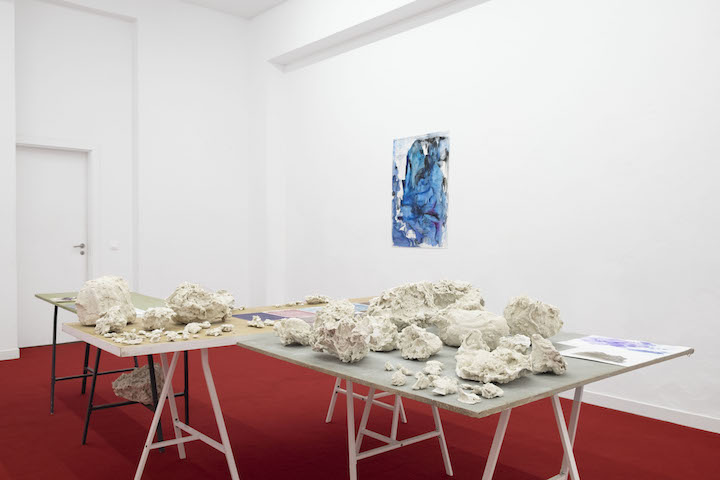
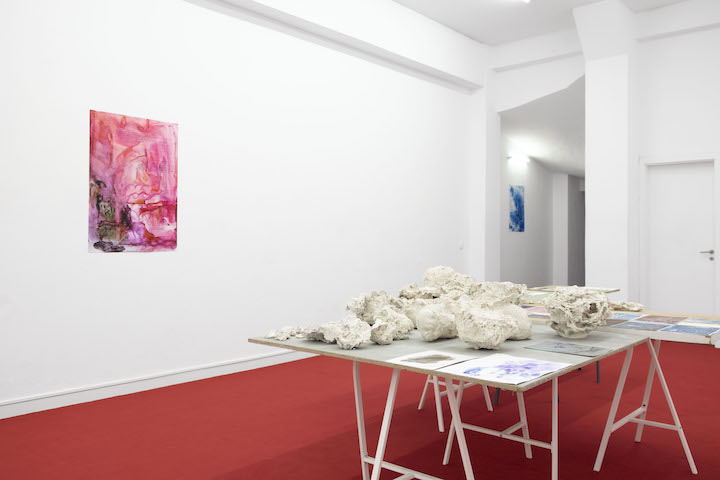
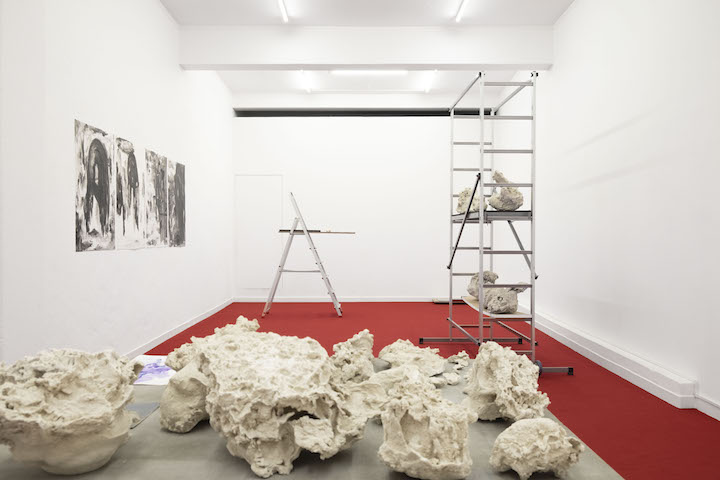
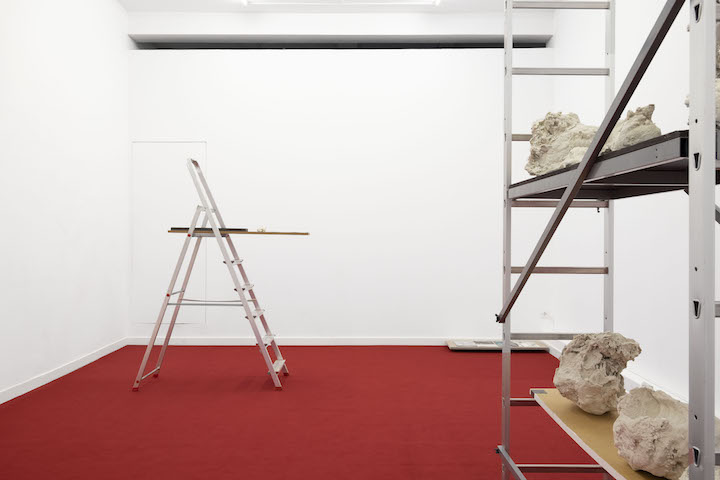
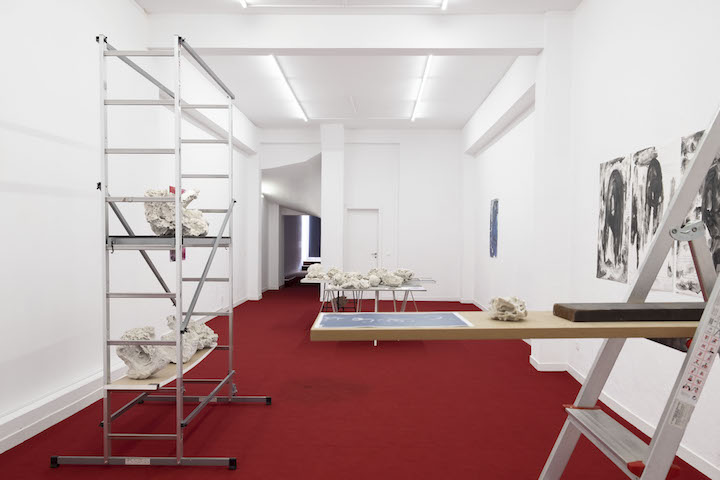
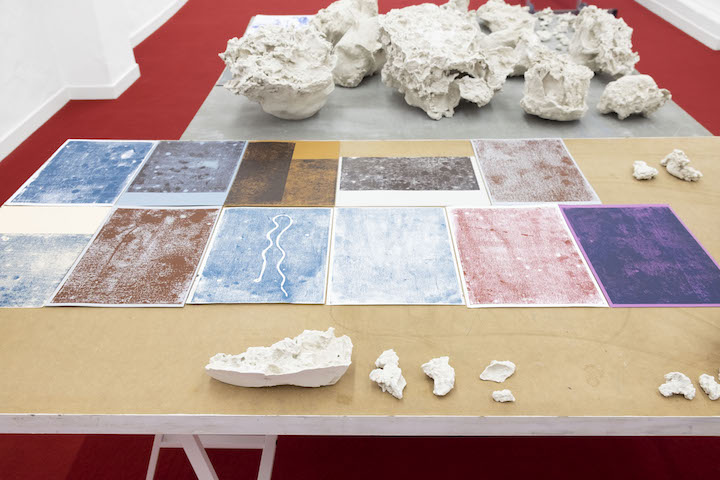
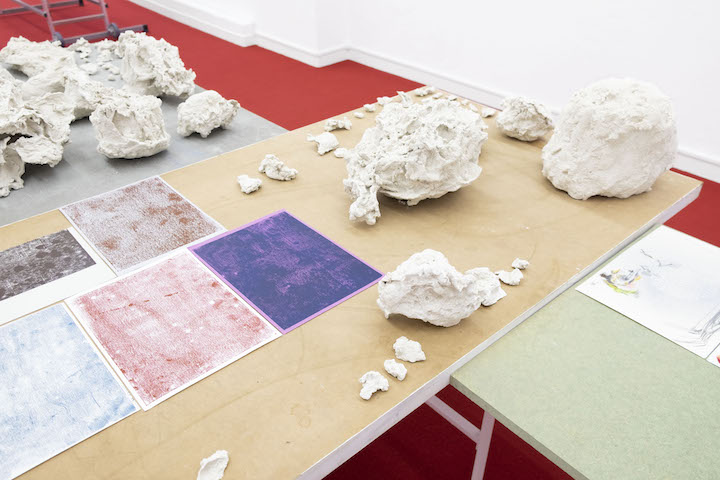
Certo dia, a Susanne fez-me chegar várias possibilidades para o título da exposição. Tive de escolher um. Ficou “Longe. Desvelado. Ao vento.” A mostra foi-se transformando num imaginado laboratório alquímico. Mesas, um andaime e uma escada acolhem assim os resultados das experiências de Susanne Themlitz: desenhos, xilogravuras, esculturas. Através deles confirma-se a lei hermética da correspondência: “O que está em cima é como o que está em baixo. O que está dentro é como o que está fora". Papel-pedra, tela, gesso, areia, lápis, tinta: tudo serve para fazer a natureza surgir transfigurada em arte. Há, na instalação, equilíbrios precários, frágeis como algumas obras agora reveladas. Existem também peças que potenciam analogias com o mundo mineral, enquanto noutras se pode ver um mapa estelar.
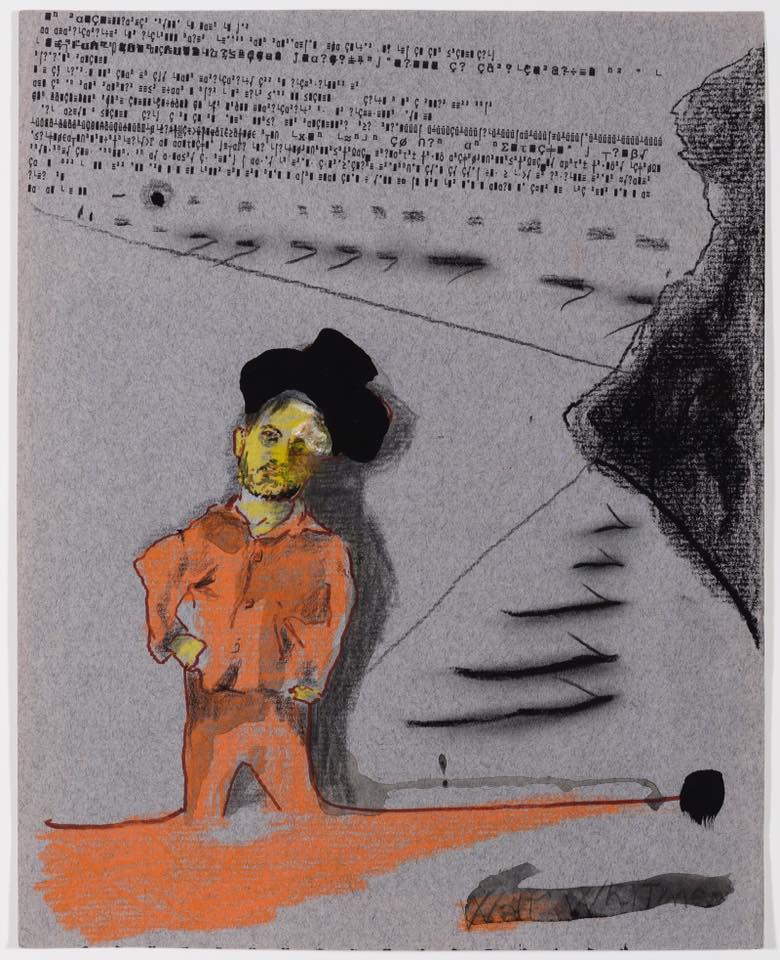
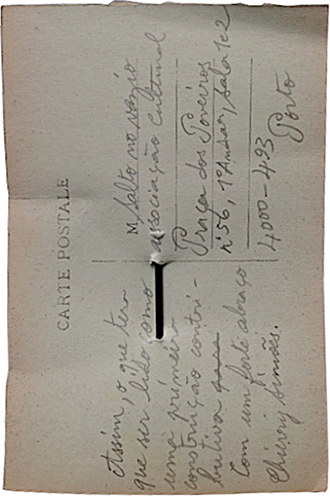
Outra característica a salientar em alguns desenhos é a presença de texto, que pode ser constituído quer por breves apontamentos com uma forte vertente poética, quer por minuciosas descrições da natureza e dos seus elementos. Não consigo deixar de ver estes trabalhos na continuidade da tradição da pintura de paisagem chinesa, a qual constituía, sobretudo entre os séculos XI e XVIII, uma forma de meditação acerca da primitiva cosmologia da Ausência e Presença. Nessas obras, assinadas por Fan K’uan, Chao Meng-fu ou Shih T'ao, os ideogramas surgem ao lado de pedras, céus, nuvens, montanhas e rios. As palavras completam assim a imagem, contudo ambos elementos sublinham apenas esse enigma escuro que nos lembra apenas não termos ainda nascido. Como diziam os antigos: “Sempre por nascer".
Tal como a obra de Susanne Themlitz, a nascer de cada vez que é vista. É que “não há nada: nem ‘eu’, nem mundo, nem mente, nem corpo. Só uma porta que vai e vem.”
Óscar Faria
”Far Away. Unveiled. To the Wind.”
Solo show by Susanne Themlitz
Curated by Óscar Faria
Saturday, September 7 2020
15h00-19h0
Until October 3 2020
Always unborn In the center of the room I pictured an athanor, that cosmic oven used to maintain an uniform temperature in order to allow time for transmutation. From that core, everything would radiate. The shadows on the walls would only confirm the event: a subtle change in the atmosphere, a slight change in color, a trivial expansion of space – little nothings only measured over the years. Everything was identical, though these microscopic metamorphoses made all the difference. The letter "a", for example, pointed to a beginning, which was repeated until dissolved, thus losing its origin. The titles followed one another and were always failing, because what they grabbed soon gave rise to another state, more solid, more liquid. Basically, this place could be described from its karstic atmosphere. The corrosion of rocks lives in the drawings, as these inhabit the succession of days, sometimes solar, very often of persistent rain. The night was crossed by speed. A Suzuki, I immediately thought, opening a clearing to welcome the rotations of an ancient thought: “The inner world has no limits and the outer world is also unlimited. We say ‘inner world’ and ‘outer world’, but in reality, there is only one world. In this world without limits, the throat is a sort of swinging door. The air moves in and out like someone passing through a swinging door. If you think ‘I breathe’, the word ‘I’ isn´t necessary. There is no you to say ‘I’. What we call ‘I’ is just a swinging door that moves when we inhale and exhale. It just moves, that’s all. When your mind is pure and calm enough to follow this movement, there is nothing: neither ‘I’, nor the world, nor mind, nor body. Just a swinging door.” I spent days trying to memorize these drawings. Like someone who fixes lines in the theater, I started to repeat each line, each tone, each movement, until I knew them by heart. I associated each one with a song, allowing to differentiate them through their rhythms. Apri le luci, e mira (Vivaldi), Zefiro Torna (Monteverdi), Chi non sente (Riccardo Broschi), Vertigo (Joseph-Nicolas-Pancrace Royer), Territory (The Blaze), I contain multitudes (Bob Dylan), My Rajneesh (Sufjan Stevens), etc. Sliding, open to the palm trees and the pine forest, through which the sea comes and goes, the door let in the nor-northwest wind, between 10 to 15 km / h. An wasp, slow as summer, hummed on the tar, and I read: "It deposited the air in the nostrils/ and the wire was stretched from one end to the other." Drawings write. They collapse on words. In a torrent. With a spelling that recalls childhood. And the letter "A" comes back to make us go back to the beginning, to that time without temperature, without smells, which unweaves with a light coming from the interior. Suzuki-Vespa: pollen that is transported through papers resting on the working table. Again, we read: “Far away the mountain Disappears / in the white. Steam / lies down. Slowly." The drawings are landscape: Hakuin Ekaku and Sengai Gibon. I look down and find evidence that the place where I am was once the bottom of the sea. I take a plunge and reach the surface with my hands full of salt, corals, seaweed and shells. I also bring a starfish, a seahorse, a pearl and mussels. On the easels, the ocean is illuminated by an “A”, which hangs from the ceiling, a waning “A”, which also includes the chirping of crickets, the sweet aroma of carob trees, which is mixed with juniper, fennel of the sea, saltwort, shrubby orache and asteriscus maritimus. The sea air also brings the smell of sargassum and the roar of the trawlers' engines. And the dawn is expanded between watery and the liquefaction of the founding letter. “There is nothing: neither ‘I’, nor the world, nor mind, nor body. Just a swinging door.” The space, already properly heated by the athanor, preserves the surrounding properties - humidity, atmospheric pressure, temperature - and everything starts to be consumed by that cosmic fire. Our conscience becomes drawing and this, in turn, changes into a landscape without geographical coordinates, only possible to be described by a letter, the “A”, which is a mountain disappearing in the mist, or by gestures that grab the meteorological intensities: hence the color patches, the circumvolutions, the precipitations, the strands of light, the scratches, the bubbles. One day, Susanne sent me several possibilities for the exhibition’s title. I had to choose one. I chose “Far away. Unveiled. To the wind." The exhibition was transformed into an imagined alchemical laboratory. Tables, a scaffolding and a ladder welcome the results of Susanne Themlitz's experiments: drawings, woodcuts, sculptures. Through them the hermetic law of correspondence is confirmed: “What is above corresponds to what is below. What is inside corresponds to what is outside". Stone paper, canvas, plaster, sand, pencil, paint: everything serves to make nature appear transfigured into art. There are precarious balances in the installation, fragile as some works now revealed. There are also pieces that enhance analogies with the mineral world, while in others one can see a sky map.
Another feature to be highlighted in some drawings is the presence of text, which may consist of either brief notes with a strong poetic aspect, or detailed descriptions of nature and its elements. I cannot help seeing these works in the continuity of the Chinese landscape painting tradition, which was, especially between the 11th and 18th centuries, a form of meditation on the primitive cosmology of Absence and Presence. In these works, signed by Fan K’uan, Chao Meng-fu or Shih T'ao, the ideograms appear next to stones, skies, clouds, mountains and rivers. The words thus complete the image, however both elements underline only this dark enigma that reminds us only that we were not yet born. As the ancients used to say: "Always unborn".
Like Susanne Themlitz's work, born every time it is seen. “There is nothing: neither ‘I’, nor the world, nor mind, nor body. Just a swinging door.”
Óscar Faria