2019, 01.12 - 2019, 02,02
/ Rita Senra, Lengalenga. Curadoria de / Curated by Óscar Faria


Papéis, palavras, poemas: uma política sem fins
Por Óscar Faria
Existem cinco versões em português do “Ulisses”, de James Joyce. Três são assinadas por tradutores brasileiros, das outras, uma é da responsabilidade de João Palma Ferreira, que nasceu e morreu em Lisboa (1931 – 1989) – sendo esta curiosamente editada pela “Livros do Brasil” (1989), na colecção “Dois Mundos” – e a outra, mais recente, de Jorge Vaz de Carvalho, publicada pela Relógio d’Água (2013), onde, no episódio XII, a frase “Arrah! bloody end to the paw he’d paw” foi vertida em “Arre! que leve o diabo a pata que o patego pegava”, quase um trava-línguas, como este: “Ao longe ululam cães lugubremente à Lua.”
Numa dessas traduções, a de Bernardina da Silveira Pinheiro (Alfaguara, 2010), acha-se esta passagem, do episódio I, no qual Joyce cita uma das estâncias de um poema de Yeats, incluído, enquanto canção, na peça “The Countess Cathleen” (1892):
“Sua cabeça sumiu mas a lengalenga de sua voz ao descer ressoou para fora da escada.
– E basta de virar para o lado e meditar
Sobre o mistério amargo do amor
Pois Fergus comanda as carruagens de bronze.”
“[And no more turn aside and brood
Upon love´s bitter mystery
For Fergus rules the brazen cars.]”
Existem, pois, várias acepções para “lengalenga” – esta palavra pode ser igualmente traduzida para inglês por “rigmarole” – título da exposição de Rita Senra, que inaugura o novo espaço do Sismógrafo.
As lengalengas cantadas são uma das formas tradicionais da poesia popular, como é o caso das inúmeras variantes da onomatopeia “Tão-Balalão”, que tem como origem a imitação das badaladas de um pequeno sino:
Tão-balalão
Soldado ladrão,
Menina bonita
Não tem coração.
Tão-balalão
Senhor capitão,
Espada na cinta
Sineta na mão.
Uma das principais características da lengalenga é a facilidade em decorá-la, efeito obtido pela repetição dos versos, sobretudo com rima, durante brincadeiras infantis, como é ainda o caso das “cantilenas das escondidas”:
Bico bico sarrabico
Quem te deu tamanho bico
Foi a velha chocalheira
Que come ovos com manteiga
Os cavalinhos a correr
E os meninos a aprender
Qual será o mais espertinho
Que melhor se vai esconder
Lengalengas, trava-línguas, cantilenas. Outras formas da expressão popular podem ser também aqui convocados, como os provérbios ou os lugares-comuns, destacando-se nestes casos as recolhas realizadas por Manuel João Gomes para a editora Afrodite (1974 e 1986): “Melhor é roto do que alheio” ou “Não há maior tolice que viver pobre para morrer rico.”
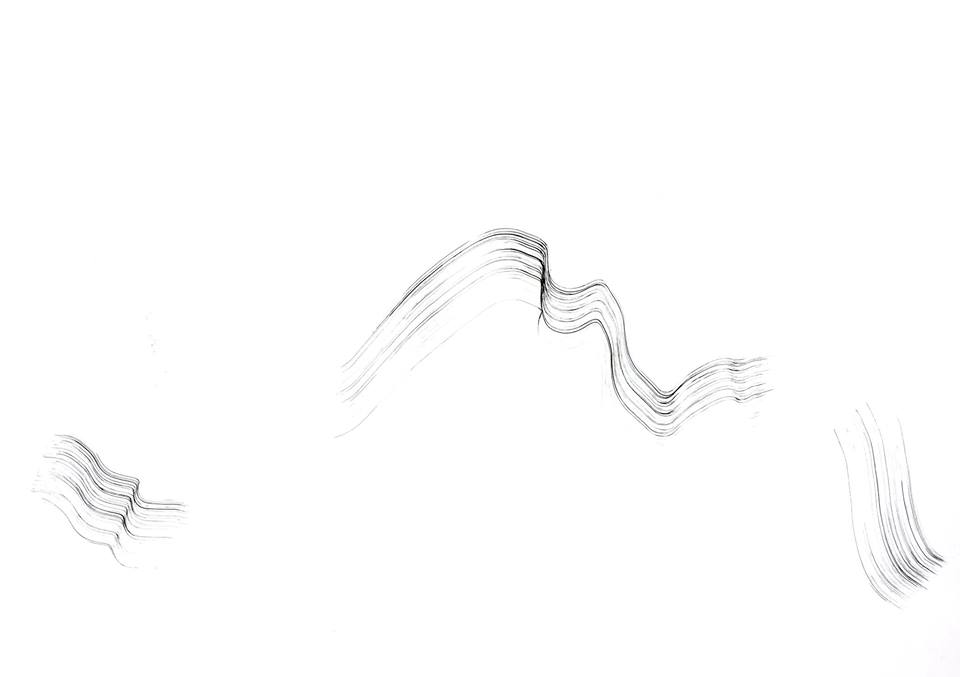
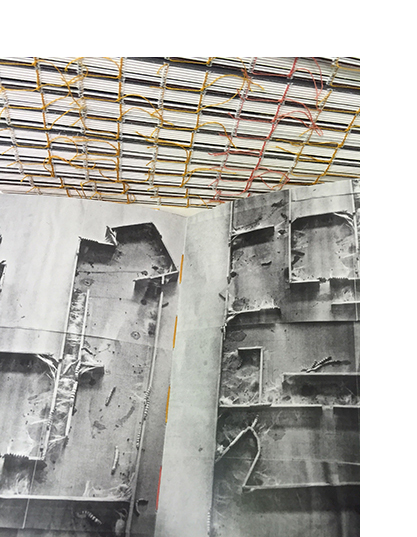
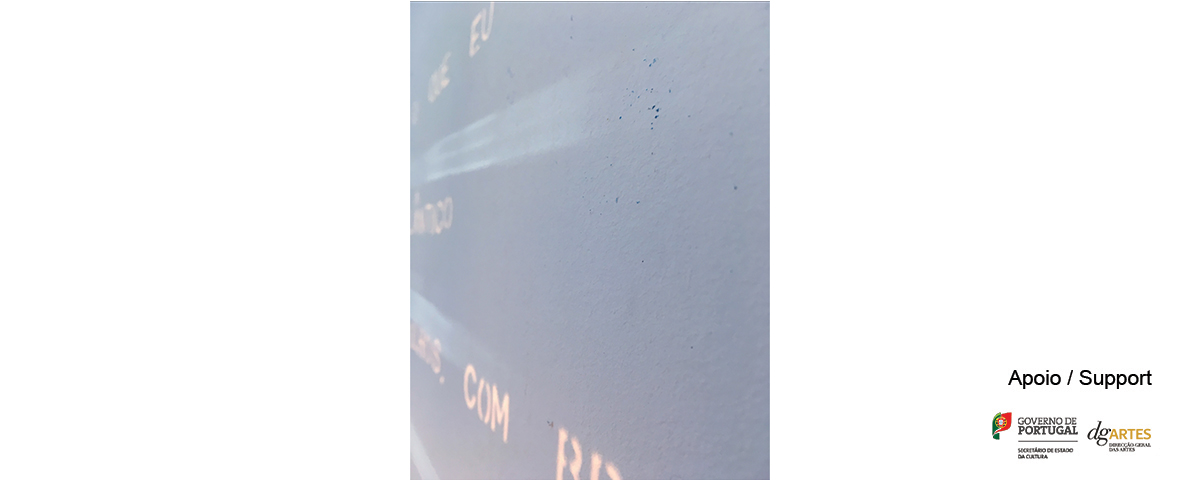
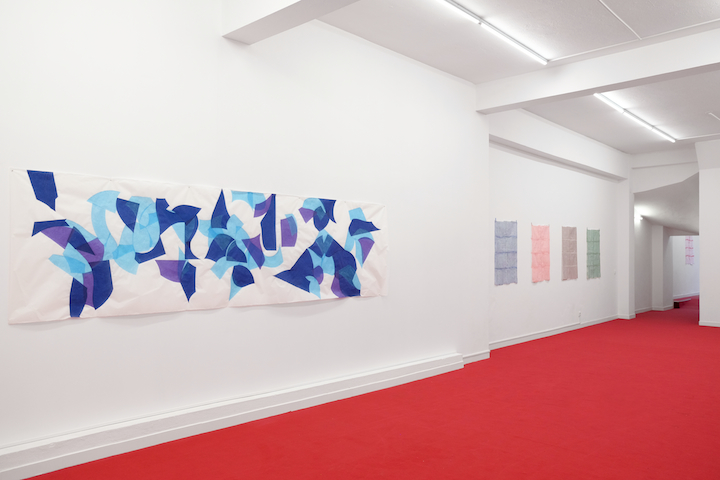
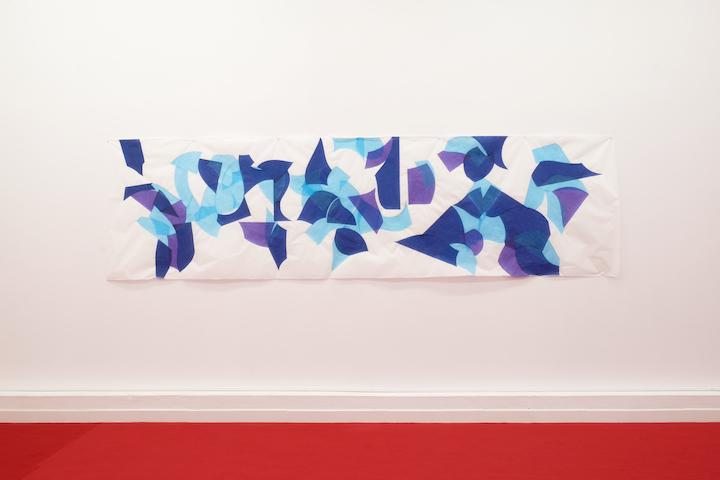
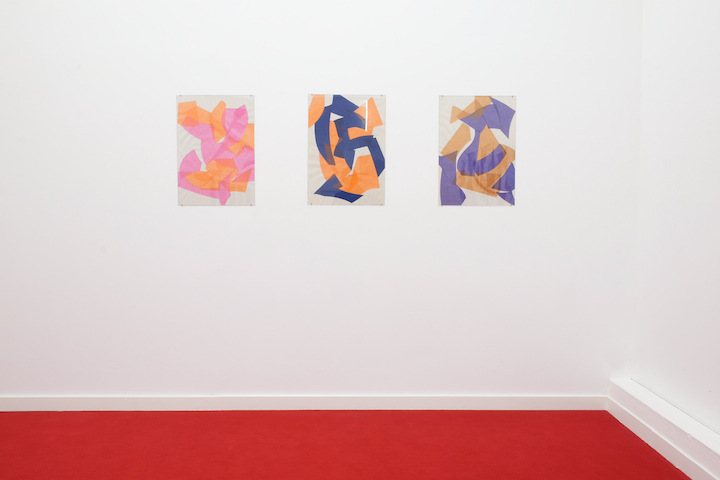
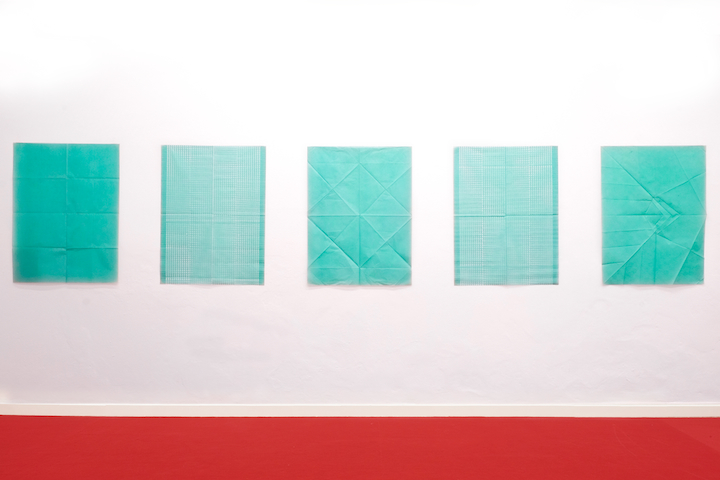
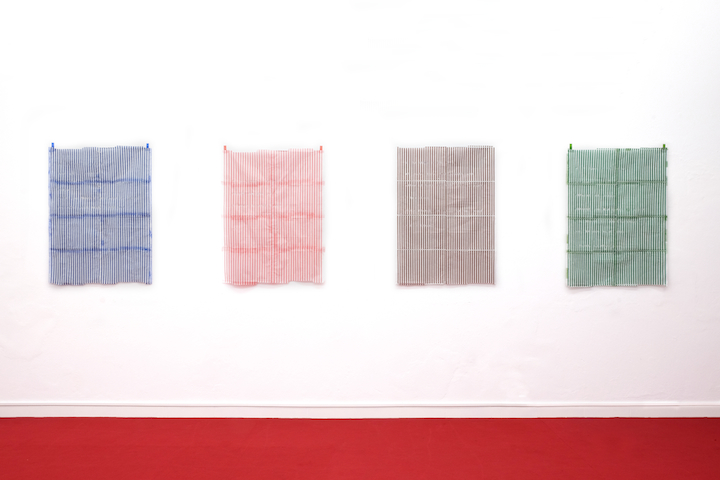
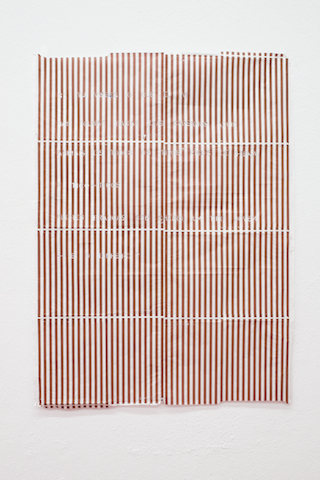
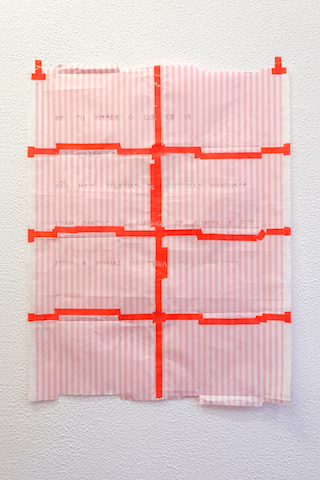
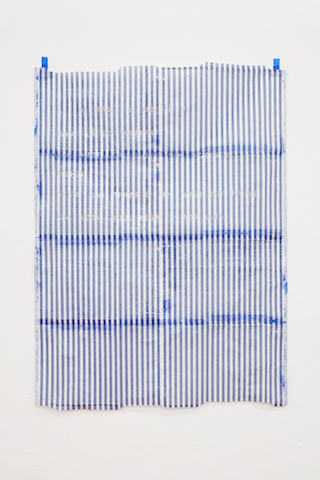
Inspirada por estas realidades linguísticas, Rita Senra produziu uma nova série de trabalhos. Uma primeira característica é a repetição, tanto neste corpo de obras como nos restantes agora apresentados. Dessa insistência obsessiva, na qual assumem uma particular relevância as experiências realizadas com recurso a diferentes tipos de papéis, resultam variantes textuais, reveladas quer na frente, quer no verso destas poéticas criações. Nessas lengalengas, nas quais é possível detectar uma intenção política, como um comentário à actual situação vivida no Brasil, surgem inúmeras referências a animais, afinal uma forma de nos apercebermos não só do absurdo da existência, mas também da possibilidade de mudar essa condição, transformando assim o mundo:
“Se tu visses o que eu vi
para lá do atlântico
Era gente com olhos, com braços e
folhos
Gente com tripas e bem saber aos molhos
Era gente, gente mesmo - mas olha.”
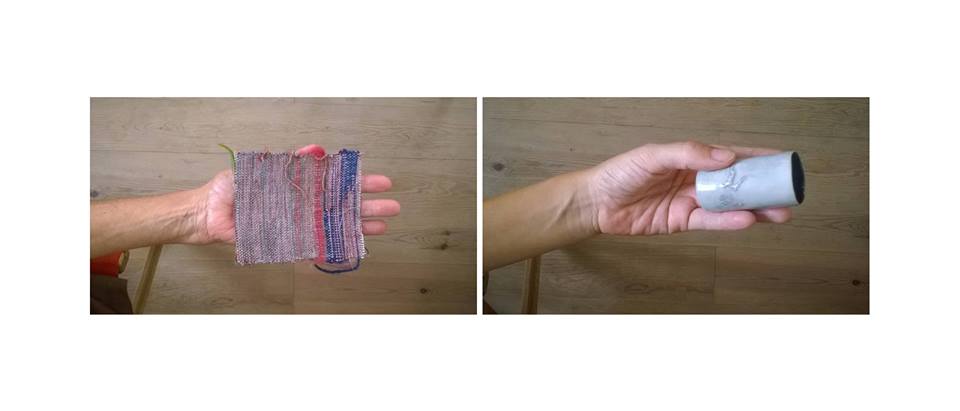
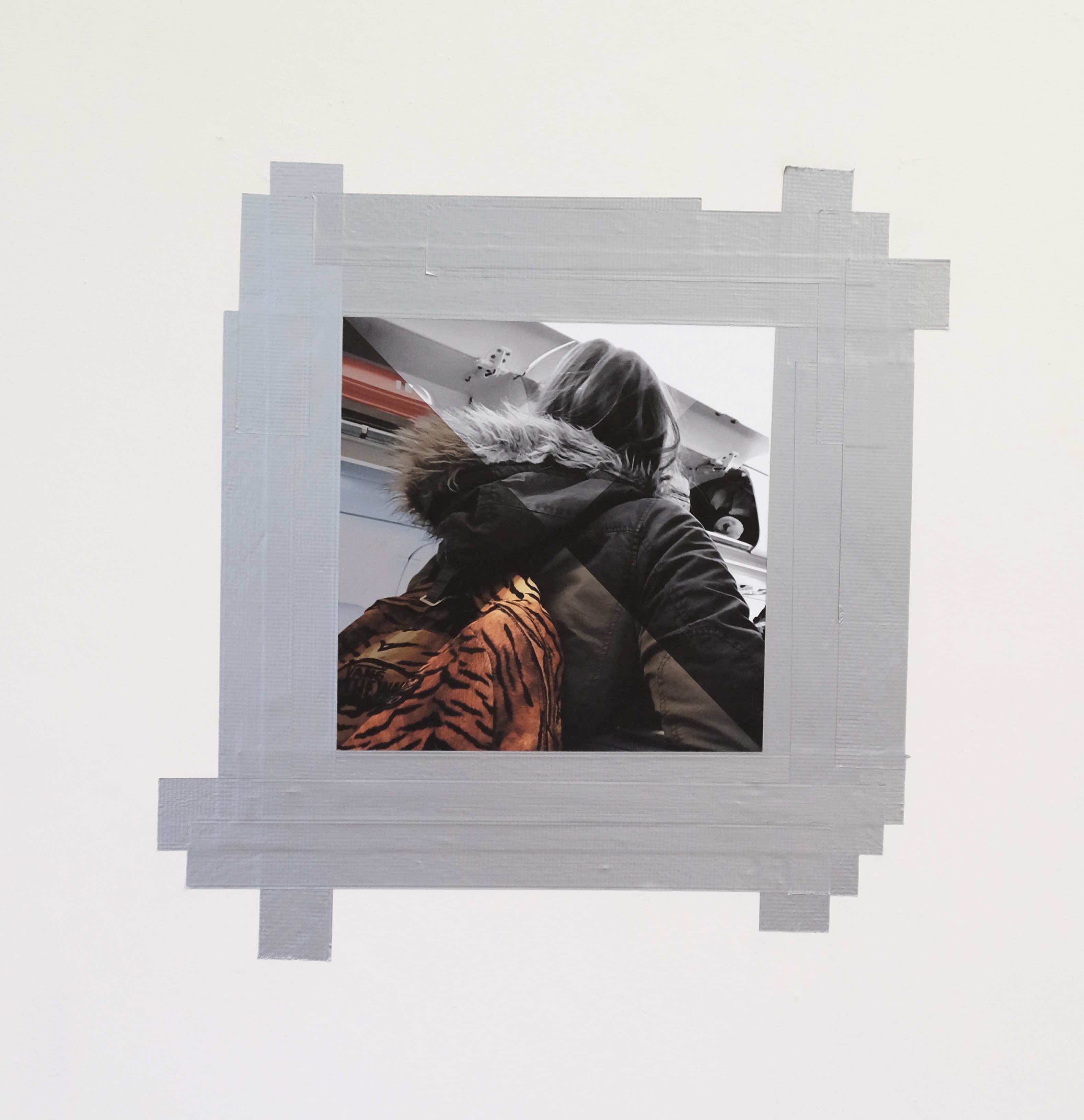
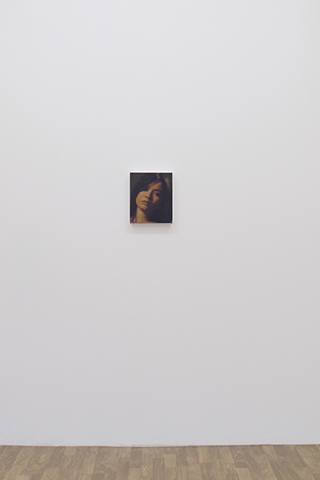
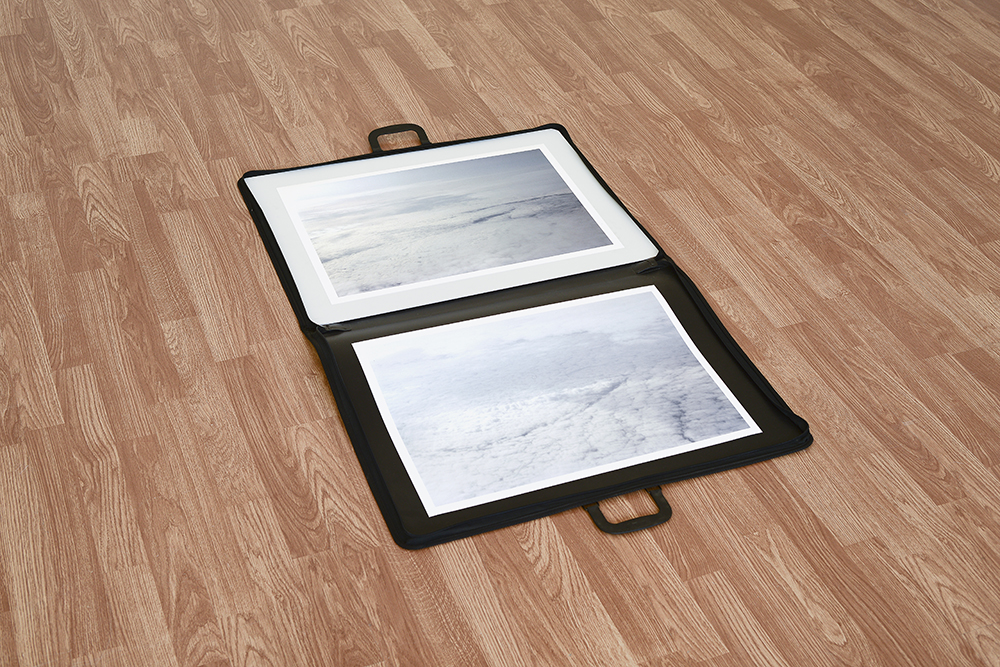
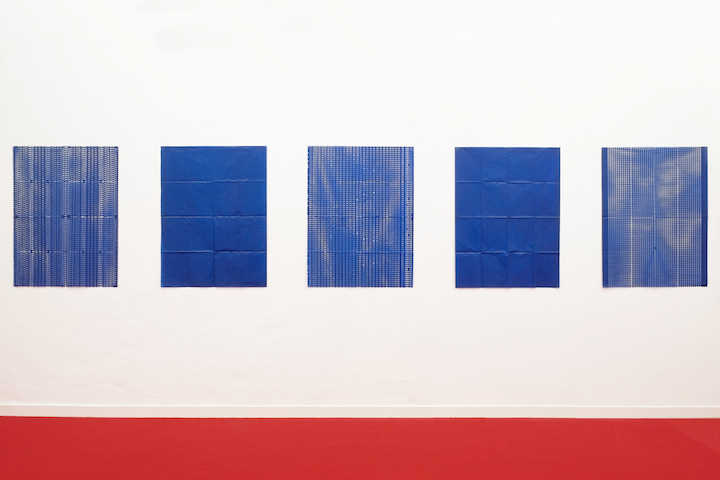
As várias séries reveladas no âmbito de “Lengalenga” permitem-nos tomar consciência do processo de trabalho da artista. Experimental, obsessivo, na tentativa de encontrar esse tempo perdido algures na infância. Seja através de perfurações e recortes – neste caso de letras, de palavras, de textos –, seja com recurso à colagem, sobrepondo papéis de forma a criar ritmos e sombras, a obra de Rita Senra continua à procura de chegar a um lugar que a separe do ateliê. E daí esta sensação de esta ser uma exposição em aberto, na qual outras opções podiam ter sido tomadas, obtendo-se outros resultados, porventura mais eficazes do ponto de vista formal, mas menos verdadeiros nesta tentativa de mostrar como estes papéis são tão frágeis, que só o acto de os montar numa parede constitui uma arriscada tarefa: tudo aqui se pode romper, rasgar, enrolar.
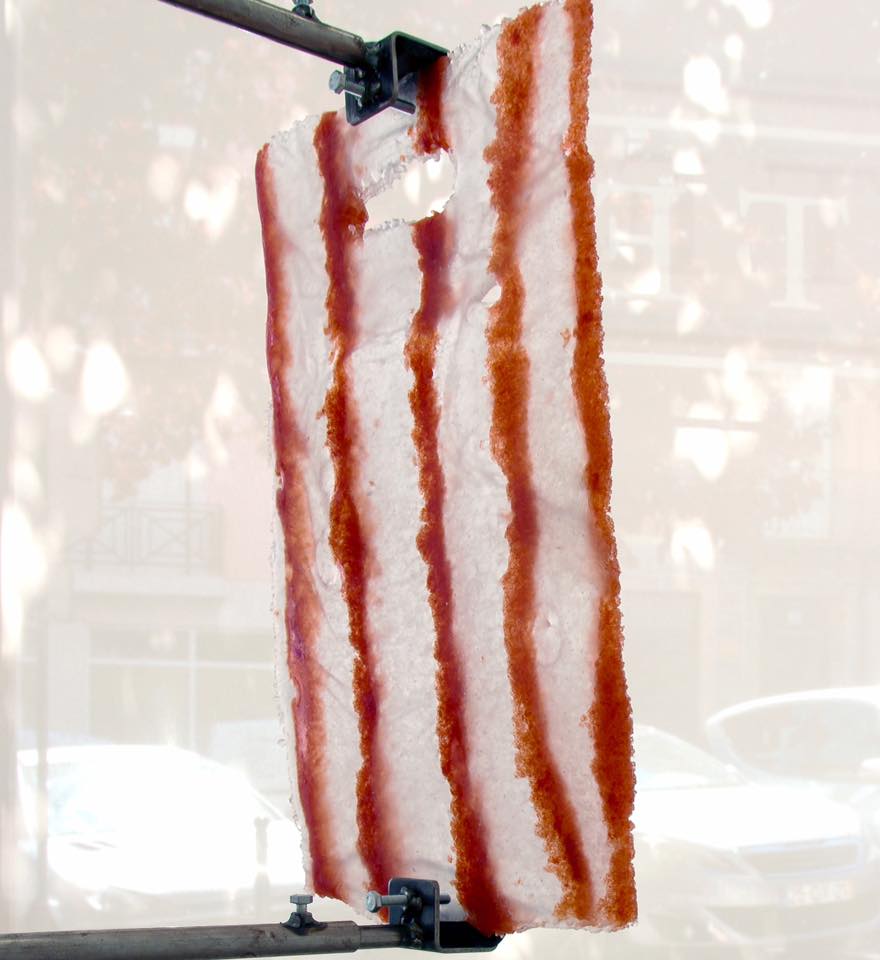
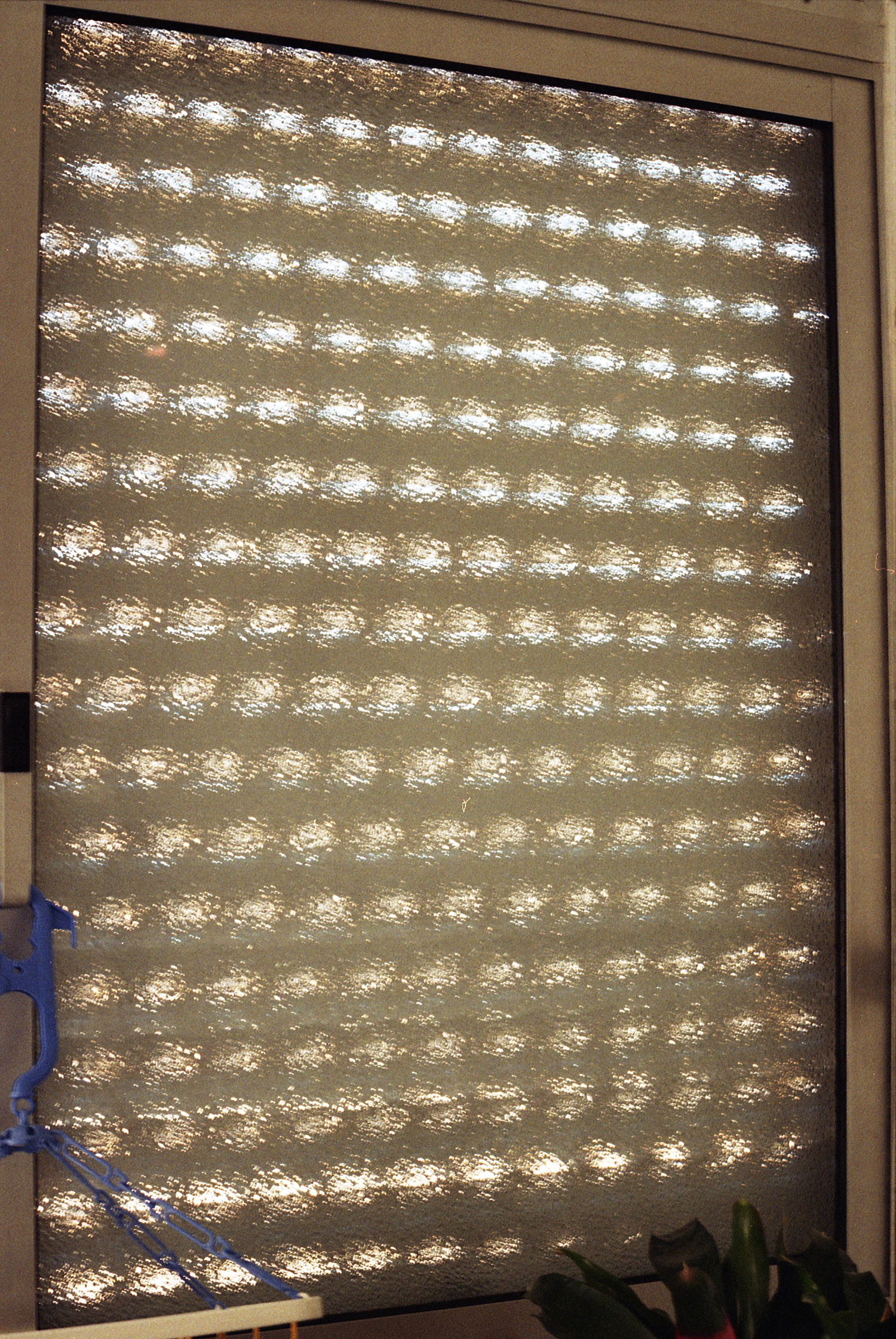
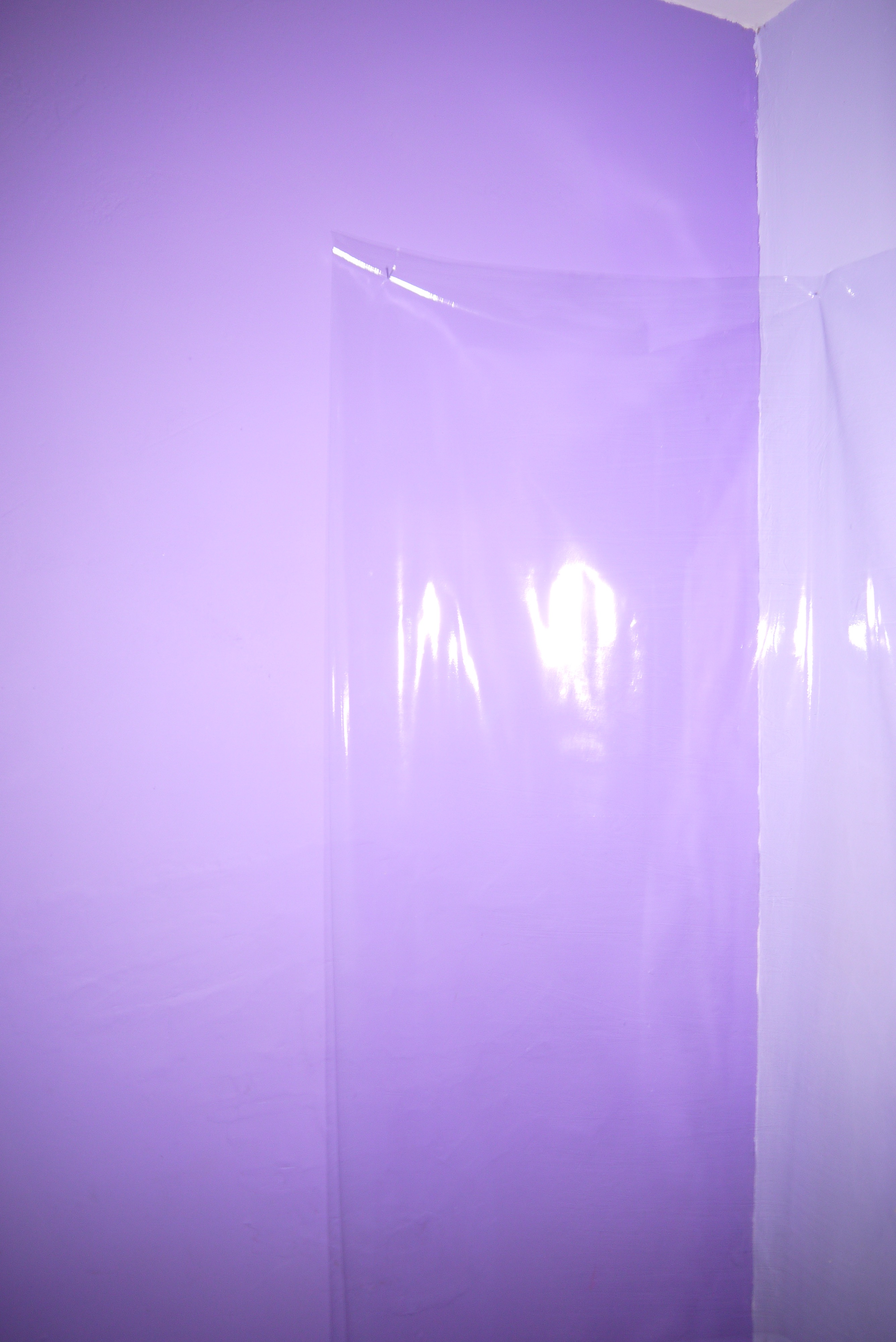
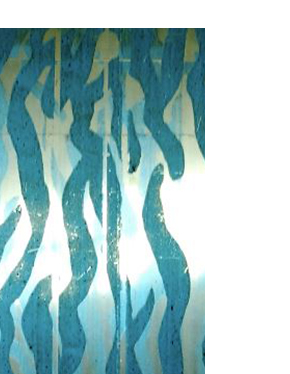
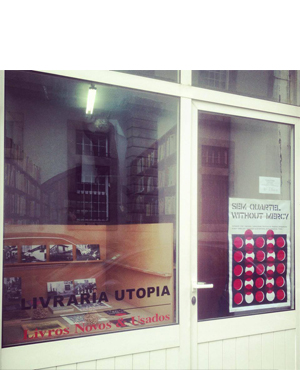
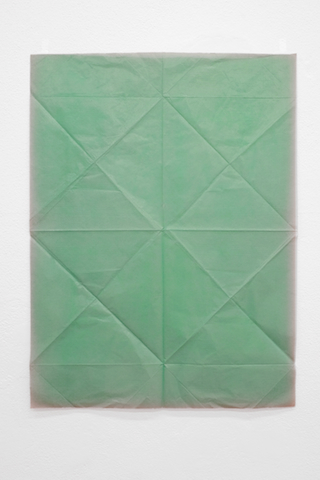
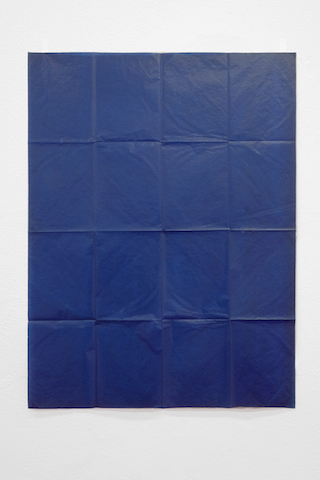
Não faz mal, pois tudo aqui tem uma força única, singular. Há mesmo uma luz que atravessa esta “lengalenga”. Talvez por isso muitas das folhas de papel cebola, nomeadamente as séries verde e azul, podiam ter acabado, quais persianas, na montra do novo Sismógrafo, permitindo assim outras visões. Ali ficou apenas uma, como exemplo e hipótese de conversas. Absurdas ou não. Nesse sentido, a montagem tentou criar uma certa unidade entre as diferentes séries, tentando tirar partido quer de aspectos cromáticos, quer de escalas, quer ainda das subtis diferenças entre trabalhos semelhantes entre si. Tudo isto de modo a revelar essa inquietação intrínseca ao acto de mostrar a dúvida, a hesitação, a falha. É este o grande desafio desta “Lengalenga”, espécie de mantra, exercício de composição, convite ao silêncio.
“Havia um velho habitante de Aveiro
De comportamento bizarro e grosseiro.
Correu como um doido, levando agarrados,
Um em cada mão, dois leitões anafados,
Mas ao fim do dia voltou para Aveiro.”
In O livro dos disparates,, de Edward Lear, Mem Martins: Terramar, 1990. Texto português: Vera Pinto e Luís Manuel Gaspar.
Rita Senra (Barcelos, 1993) vive e trabalha no Porto. É licenciada em Artes Plásticas pela Faculdade de Belas-Artes da Universidade do Porto. Ao abrigo do programa Eramus+, integrou o estúdio de Jiřího Příhody - Akademie výtvarných umění v Praze; República Checa, 2015. Desenvolve o seu trabalho artístico nas áreas do desenho e da instalação, dando lugar a exposições - na sua maioria, exposições colectivas -,desde o ano de 2014. Desde 2016 que integra a equipa do Sismógrafo - um espaço de arte independente fundado pela associação cultural sem fins lucrativos Salto no Vazio. No início de 2018, iniciou a sua colaboração com o colectivo de investigação teatral Confederação.
________________________________________________
Papers, words, poems: means without end
By Óscar Faria
There are five Portuguese versions of James Joyce’s “Ulysses”. Three made by Brazilian translators, one by João Palma Ferreira, who was born and died in Lisbon (1931-1989) – being curiously edited by “Livros do Brasil” (1989), in the collection “Dois Mundos”- and the other, a more recent one, by Jorge Vaz de Carvalho, published by Relógio d’Água (2013), where we can read in the episode XII the phrase “Arrah! bloody end to the paw he’d paw” translated as follows: “Arre! que leve o diabo a pata que o patego pegava”, almost a tongue-twister, like this: “Peter Piper picked a peck of pickled peppers/ A peck of pickled peppers Peter Piper picked/ If Peter Piper picked a peck of pickled peppers/ Where’s the peck of pickled peppers Peter Piper picked?”.
In one of these translations, made by Bernardina da Silveira Pinheiro (Alfaguara, 2010), we find this passage, from episode I, in which Joyce quotes one of the stanzas of a poem by Yeats, included, as a song, in the play “The Countess Cathleen” (1892):
“His head vanished but die drone of his descending voice boomed out of the stairhead:
And no more turn aside and brood
Upon love's bitter mystery
For Fergus rules the brazen cars.”
Therefore, there are several meanings for “lengalenga” – a word that can be also translated into English as “rigmarole”, title of the exhibition of Rita Senra, which inaugurates the new space of Sismógrafo.
Singing games or nursery rhymes are traditional forms of popular poetry, as in the case of onomatopoeia as “Row, row, row your boat”, which has an origin in the imitation of rowing:
Row, row, row your boat, Gently down the stream. Merrily, merrily, merrily, merrily, Life is but a dream.
One of the main features of the rigmarole is the easiness in memorizing it, in learning it by heart, something that is achieved through the repetition of the verses, especially with rhyme, during children’s games, as in the case of “hide and seek” nursery rhymes:
“The itsy bitsy spider crawled up the water spout. Down came the rain, and washed the spider out. Out came the sun, and dried up all the rain, and the itsy bitsy spider went up the spout again”
Rigmaroles, tongue-twisters, nursery rhymes. Other forms of popular expression can also be called here, such as proverbs or commonplaces, carefully collected by Manuel João Gomes for the publisher Afrodite (1974 e 1986): “Better broken than someone else’s” or “There is no greater foolishness than living poor to die rich”.
Inspired by these linguistic realities, Rita Senra has produced a new series of works. One of the main characteristics is repetition, both in this body of works and in the others now presented. This obsessive persistence, in which experiences carried out using different kinds of paper play a crucial role, results in textual variants, uncovered on both sides (front and back) of these poetic creations.
In these rigmaroles, in which we can spot a political intention, as a comment to the current situation in Brazil, there are countless references to animals, in the end a way for us to realize not only the ultimate pointlessness of existence but also the possibility of changing this condition, and thus changing the world:
“If you saw what I saw
Beyond the Atlantic
They were people with eyes, arms and
ruffles
People with guts and lots of knowledge
It was people, actual people- but yeah.”
The different series revealed in the context of “Rigmarole” allow us to become aware of the work process of the artist, experimental and obsessive in trying to find that time lost somewhere in childhood. Whether through perforations and cut-outs – in this case of letters, words and texts -, whether using collage, overlaying paper in order to create rhythms and shadows, Rita Senra’s work is still in search of that place which sets it apart from the studio. Therefore, there is a feeling of this exhibition in progress, in which other choices could have been made, achieving other outcomes, perhaps formally more effective, but less true in this attempt of showing how fragile and delicate these papers are, that the very act of hanging them on a wall is a huge risk, a high-wire act: here, everything can easily break, tear, wrinkle or rumple.
It doesn’t matter, for everything here has a unique, singular, strength. There is actually a light that crosses this “rigmarole”. Maybe that’s why many of the onion paper sheets, namely the green and blue series, could have ended, like blinds, at the window of the new Sismógrafo, thus allowing other views. There, only one was left, as an example and hypothesis of conversation. Nonsensical or not. Therefore, the setting-up attempted to create a certain unity between different series, trying to explore both chromatic aspects and scales, or subtle differences between similar works. All this in a way that reveals that restlessness intrinsic to the act of showing the doubt, the hesitation and the error. And this is the big challenge of this “Rigmarole”, a kind of mantra, composition exercise, invitation to the silence.
“There was an Old Man of the North,
who fell into a basin of broth;
But a laudable cook, fished him out with a hook,
Which saved that Old Man of the North”.
In: A book of Nonsense, Edward Lear, London and New York, Routledge, 2002, p. 23.
Rita Senra (Barcelos, 1993) lives and works in Porto. She has a degree in Fine Arts from the Faculty of Fine Arts of the University of Porto. Was part of Jriřího Příhody's studio - Akademie výtvarných umění v Praze; Czech Republic, 2015, under the Erasmus-exchange program. Her artistic practice goes around the disciplines of drawing and installation, culminating in exhibitions - mostly group shows - since the year 2014. Since 2016 she has been part of the Sismógrafo - an independent art space founded by the non-profit cultural association Salto no Vazio. In 2018, she began her collaboration with the Confederação - an association for theatre investigation.